ICOCA is a rechargeable IC card issued by JR West. Tap it on a reader and it works out the fare automatically, covering nearly every train, subway and bus across Kansai. It does not cover everything, though. Shinkansen reserved seats, many rural buses, and a full deposit refund outside JR West territory all sit outside what the card does. New physical cards, as of mid-2023, aren’t even available.
How the card actually works
ICOCA is a prepaid transit wallet, not a ticket. You load money onto it, then tap it at a gate or on a bus reader when you get on, and again when you get off. The system reads both points and calculates the exact fare between them. There’s no need to work out the correct fare in advance, the way you would at a ticket machine.
The card also works as electronic money at convenience stores, station kiosks and vending machines carrying the IC logo. Balance and travel history can usually be checked at a station machine.
ICOCA belongs to a nationwide mutual-use scheme covering ten regional IC cards, including Tokyo’s Suica and PASMO. JR East explains the scheme on its own site, and in practice it means one card works on trains and buses from Sapporo to Fukuoka. That national reach is exactly why the gaps below catch people out — the card works almost everywhere, so travellers assume it works everywhere.
What it actually covers in Osaka
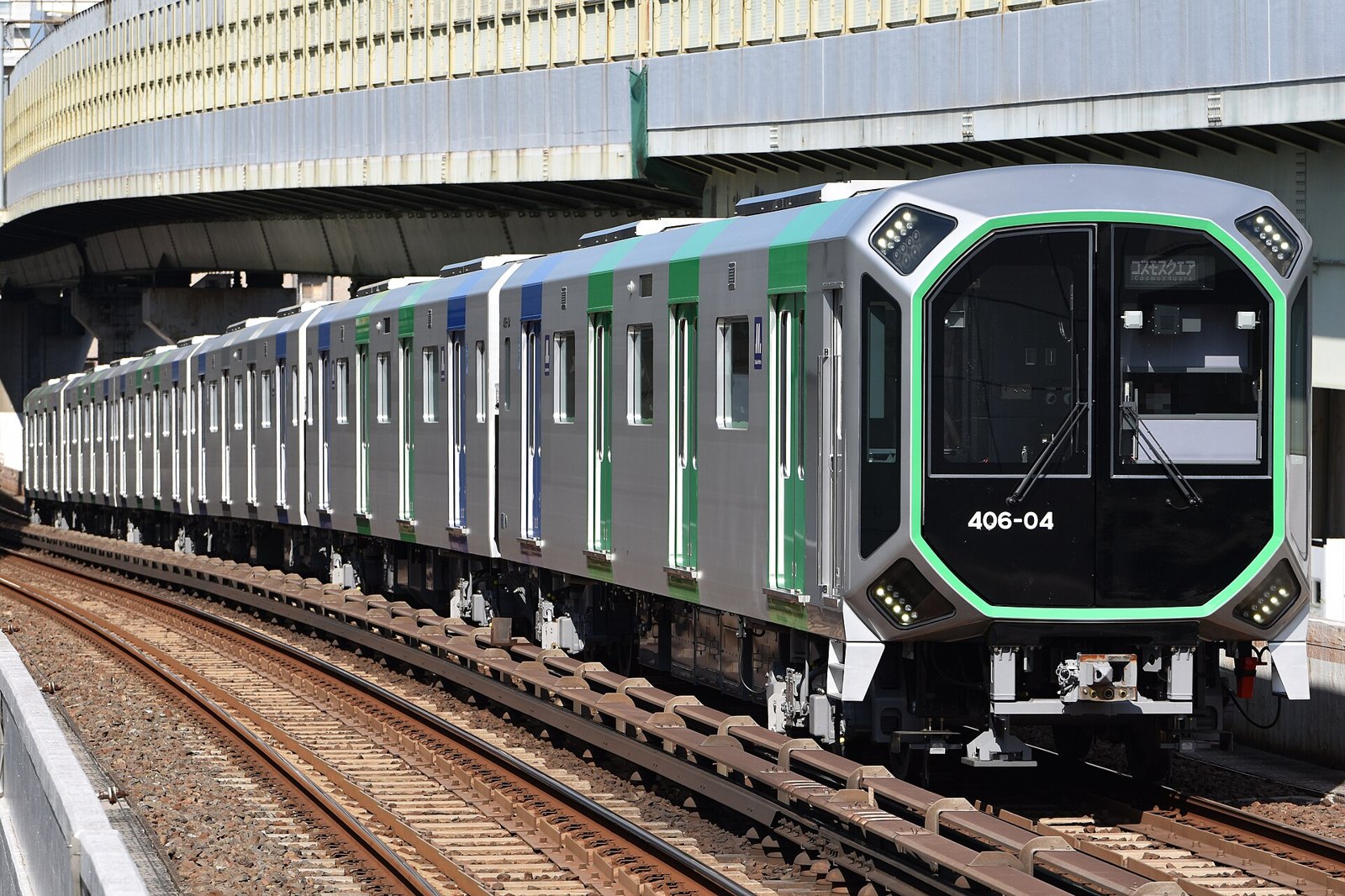
Osaka’s transport map is run by several separate companies: JR West, Osaka Metro, and the four major private railways — Hankyu, Hanshin, Kintetsu and Nankai. Their tickets and day passes generally don’t cross over. ICOCA is the exception. Because it’s an IC card rather than a paper ticket, it works across all of them, deducting the correct fare for whichever operator you’re riding. Osaka Metro confirms IC acceptance across its own network on its official site.
.jpg)
Where ICOCA stops working
The gaps aren’t random. They fall into a handful of predictable categories, and each one has a workaround.
| Situation | What happens with ICOCA | What to use instead |
|---|---|---|
| Shinkansen reserved seats and most JR limited express reserved cars | ICOCA covers the base fare but not the reservation surcharge, so tapping alone won’t let you board a reserved car | Book through SMART EX or EX-IC online, or buy a paper ticket at a JR West counter or machine |
| Rural and highway buses (many routes in Nara, Wakayama and parts of Shikoku) | Many smaller operators outside the major cities don’t accept IC cards at all | Carry cash and confirm acceptance with the operator before boarding |
| Deposit refund | JR West issues the card with a refundable deposit, reclaimable only at JR West counters — not at JR East’s Suica counters | Return the card at a JR West ICOCA counter before leaving the region; check the current deposit amount on JR West’s own site |
| Getting a new physical card | JR West suspended sales of new physical ICOCA cards in mid-2023, citing a global semiconductor shortage | Use the Mobile ICOCA app on a compatible smartphone instead |
The reserved-seat gap is the one that surprises visitors most. A shinkansen ride, or many JR limited express journeys, is priced in two parts: a base fare and a reservation or express surcharge. ICOCA’s tap-and-go system handles base fares well. It has no mechanism for booking a specific seat, so the surcharge has to be bought separately, through SMART EX, EX-IC, or a station counter.
The deposit rule is a smaller trap but a real one. JR West and JR East are different companies, and a JR-West-issued ICOCA can only be handed back for its deposit at JR West’s own ICOCA counters — not at a Suica counter in Tokyo. Travellers who fly out through a different region often simply keep the card rather than chase a refund.
The physical-card suspension is the newest wrinkle. Since June 2023, JR West has not been issuing new plastic ICOCA cards to the general public, a shortage the company has attributed to a global shortage of IC chips. The practical fix for a visitor is the Mobile ICOCA app, which runs on a compatible smartphone through Apple Pay or Google Pay and behaves the same way at gates and readers as a physical card. It’s worth checking JR West’s own site before travel, since the suspension’s terms have shifted more than once.
Why this matters for a longer stay
A resident using ICOCA daily hits these gaps differently to a first-time visitor. The deposit question barely matters if you keep the card for years. The shinkansen gap matters every time you take a day trip that involves a reserved seat. The rural-bus gap matters most outside the city, on the kind of route that a short city stay never touches. None of this makes the card less useful day to day — it just means ICOCA is one tool among several, not a single pass that replaces all of them.
How this site checks details like these, and where they come from, is set out on the About page, which explains how Access Osaka is written and checked. If you’re wondering what reading this page means for your own data, that’s covered on the privacy policy. General transport patterns across the city, including how the four private railways interact with JR West and the subway, are covered more broadly elsewhere on the site, and the research approach behind those pages is the same one described on the About page. Anyone wanting to understand what a reader’s visit to this site collects, beyond the article itself, can check the privacy policy directly.
Access Osaka is an independent guide written from published, checkable sources. We have not visited the places described here and we do not publish personal recommendations or invented ‘local favorites’ — where something is singled out as notable, we say who says so. Opening times, fares, closures and prices change at short notice, so treat everything here as a starting point and confirm with the museum, operator or venue directly before building a day around it. We give no advice on visas, insurance, health or safety; use your own government’s official guidance for those.
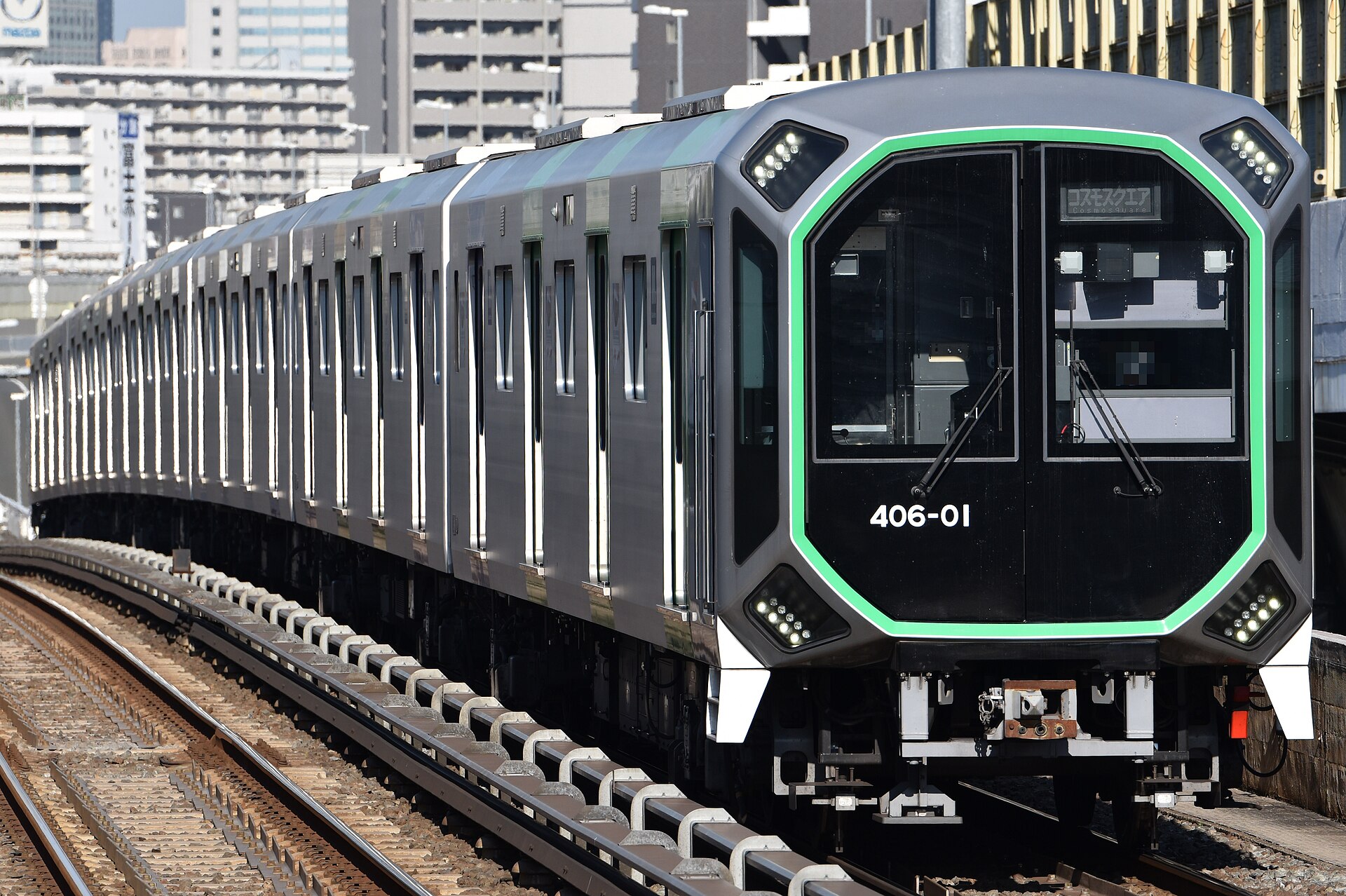
Featured image: Photo by Himeji-Higashi11184, source, CC BY-SA 4.0
.jpg)