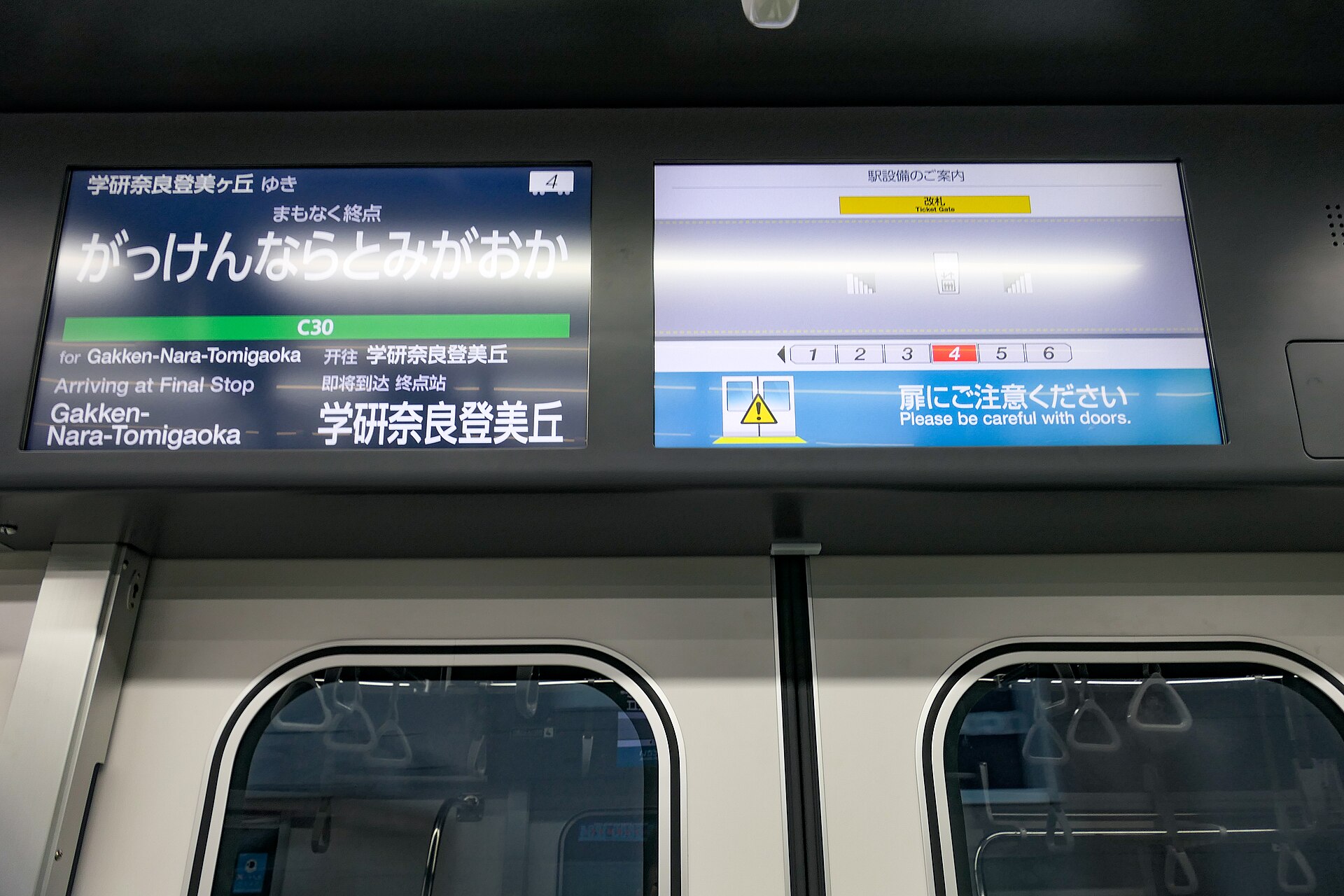
The Osaka Amazing Pass is worth buying on a specific kind of day, not a specific trip length: a day that includes at least two separate subway rides and full-price entry to two mid-range paid attractions. The figure repeated across most guides — “worth it if you visit three or four attractions” — sets the bar too high. The arithmetic below, using published fare and entry structures, puts the real crossover point lower than that, and a Monday can knock it out from under you.
What the pass actually buys
The Osaka Amazing Pass is issued by the Osaka Convention & Tourism Bureau, not by a railway operator, which matters because it bundles two different things: unlimited rides on the Osaka Metro subway network (plus city buses) within its coverage area for the day, and free one-time entry to a fixed roster of paid facilities, with discounted entry at a longer secondary list. A one-day version covers central Osaka; a two-day version adds a wider area that can extend to some suburban private-railway reach. The exact zone boundaries, the current roster of included facilities, and the current price tiers are all published on the pass’s own site, and the Bureau revises the facility list from time to time — a venue that was free-entry last year is not guaranteed to still be on the list this year, so the roster is worth checking immediately before travel rather than trusting a screenshot from an old article.
Because the pass covers only the Osaka Metro subway and municipal buses, not JR, and not Hankyu, Hanshin, Kintetsu or Nankai, it is easy to plan a day that accidentally leaves the covered network — a point covered in more detail in our piece on which company runs which line. A pass that looks unlimited can still require a separate ticket for one leg of the day.
The “3–4 attractions” rule doesn’t hold up
That rule of thumb treats every attraction as roughly interchangeable and ignores the transport half of the bundle entirely. It also assumes the visitor is comparing the pass only against paying for each attraction individually, without weighing what those same yen would otherwise buy in subway fares. A more honest comparison has to include both halves of what the pass replaces: the rides and the entries.
Osaka Metro’s own fare structure is distance-banded rather than flat — a short hop and a cross-city ride are priced differently, and the operator publishes current fare tables on its site rather than a single number, because the fare depends on distance travelled. Osaka Metro’s English-language site is the place to check the current band for any specific journey; a rough sense of the range, illustrative only, has typically sat somewhere between roughly 230 and 350 yen per ride depending on distance, and that range moves, so treat it as shape rather than quote.
| Component | What drives the cost | Where to confirm the current figure |
|---|---|---|
| Single Osaka Metro subway ride | Distance band, not a flat fare | Osaka Metro’s own fare pages |
| Osaka Castle main tower entry | Fixed adult admission to the reconstructed keep | Osaka Castle’s official site |
| Tsutenkaku observation deck | Fixed admission to the tower’s upper levels | Tsutenkaku’s official site |
| Umeda Sky Building, Floating Garden Observatory | Fixed admission to the rooftop observation deck | Umeda Sky Building’s official site |
Historically, published figures for these three attractions have sat roughly in the region of 600 yen for Osaka Castle’s main tower, 900 yen for Tsutenkaku’s observation deck, and 1,500 yen for the Umeda Sky Building’s Floating Garden Observatory — figures worth confirming on Osaka Castle’s own site and Tsutenkaku’s own site before relying on them, since admission prices are exactly the kind of detail that changes without much notice.
The real breakeven: two rides, two attractions
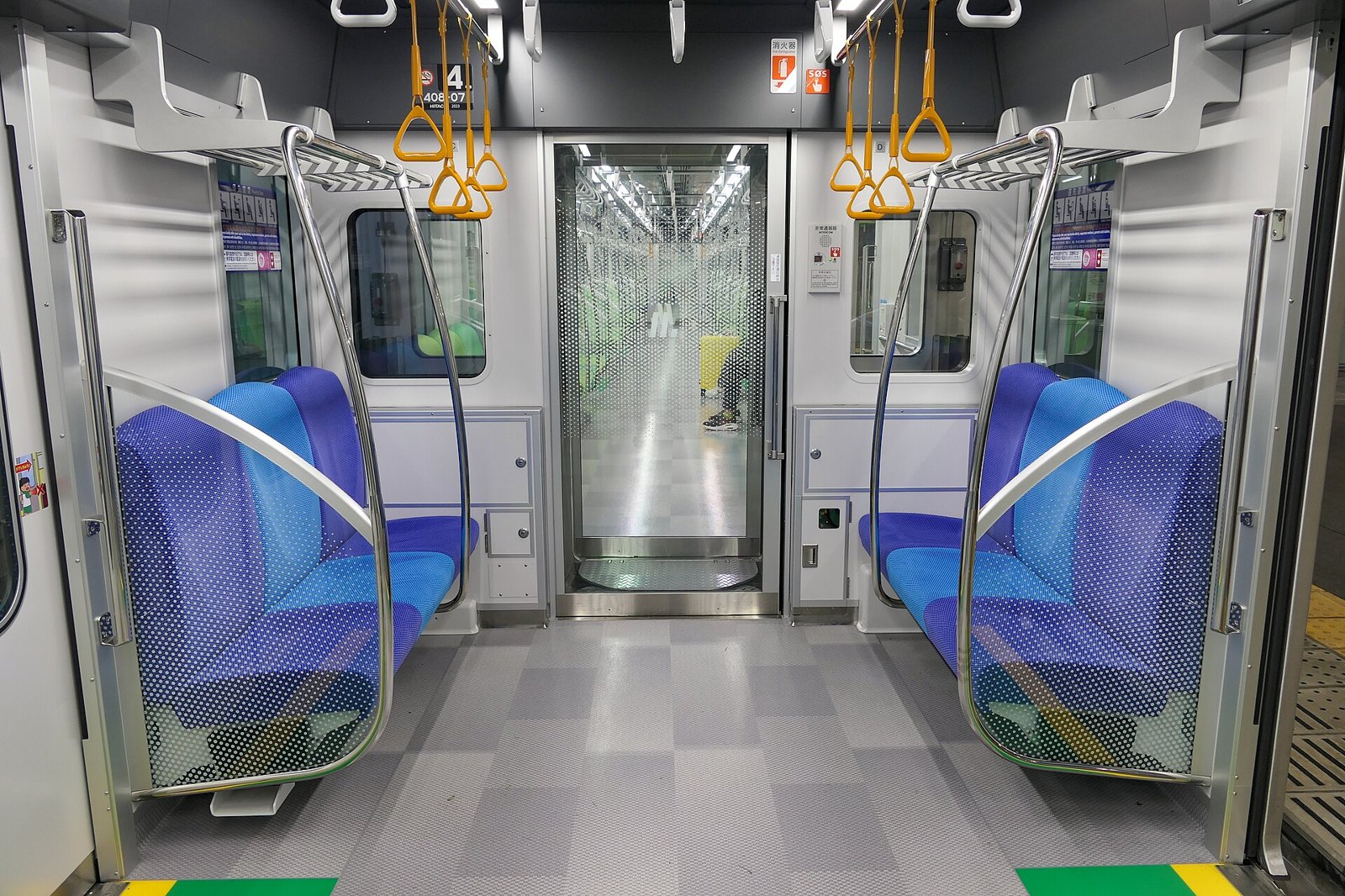
Run the sums using those illustrative figures. Two subway rides in a day — say, a hotel-to-attraction round trip plus a second trip across town — come to somewhere in the range of 460 to 700 yen, depending on distance. Add entry to two mid-priced paid attractions, such as Osaka Castle’s main tower and Tsutenkaku’s observation deck, at roughly 600 and 900 yen, and the day’s transport-plus-entry total lands somewhere around 2,000 to 2,200 yen — before touching a single free-entry sight. That is the figure to hold up against whatever the pass’s current one-day price is on the Bureau’s own site: if the two sit close together, the pass has already paid for itself on two rides and two attractions, not the three or four that most guides cite. Adding a third attraction, or a facility with a higher entry fee such as Umeda Sky Building’s observatory, pushes the pass further into clear value; it simply isn’t the threshold at which the pass starts making sense.
This is also why the pass suits a compact, transit-heavy day more than a slow one. A visitor spending the whole day in a single district on foot — Dotonbori and Shinsaibashi, say — may take one subway ride in and one out, not the two or three that make the unlimited-riding half of the bundle pay off.

Where Monday breaks the math
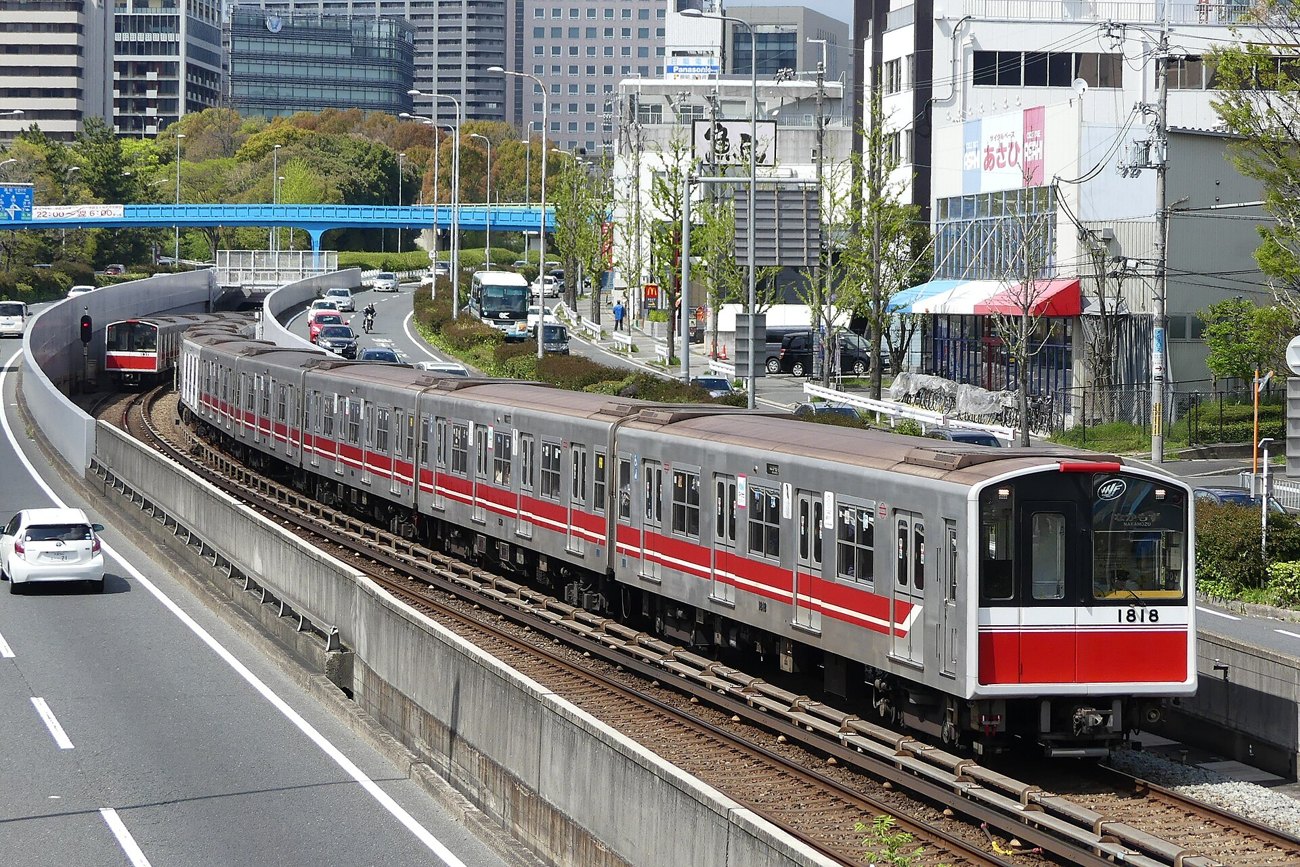
The calculation above assumes both planned attractions are open. Many of Osaka’s museums and paid facilities close on a fixed day, and Monday is the most common closing day citywide — a pattern detailed in Osaka on a Monday: What’s Open, What Stays Shut. If one of the two mid-priced attractions in a day’s plan turns out to be shut, the day drops to one subway-worthy attraction plus transport, and the breakeven no longer clears. This is a real risk with the Amazing Pass specifically, because its value depends on stacking paid entries inside a single calendar day rather than spreading them across a longer, more forgiving trip — there is no rollover if a venue is closed. Checking the closing day of every planned stop before buying the pass, not just its inclusion on the roster, is part of the decision, not an afterthought.
One day, two days, or three
The pass is sold in tiers rather than as a single product, and the Bureau’s own coverage area differs between them — the two-day version typically reaches further outward than the one-day version. There is no official three-day Osaka Amazing Pass at the time of writing; a visitor planning three days is really deciding between buying the two-day pass and paying separately for the third day, or skipping the pass and paying per ride and per entry throughout. Because the breakeven above is a per-day calculation, the right approach for a multi-day trip is to apply it separately to each day rather than to the trip as a whole: a two-day pass is worth it only if both days clear the two-rides-two-attractions bar, not if the average across both days does. A quiet second day spent mostly on foot in one neighbourhood can drag the average down even if day one comfortably justified the cost.
Ten of Osaka’s sixteen most-cited sights carry no admission charge at all, which changes the calculation further: a free-entry itinerary day gets no benefit from the entry-fee half of the pass and needs to lean entirely on the transport half to be worth it. Planning which days are “paid-attraction days” and which are “free-sight and walking days” before buying is more useful than buying the pass and hoping the days sort themselves out.

For residents, this pass is close to irrelevant
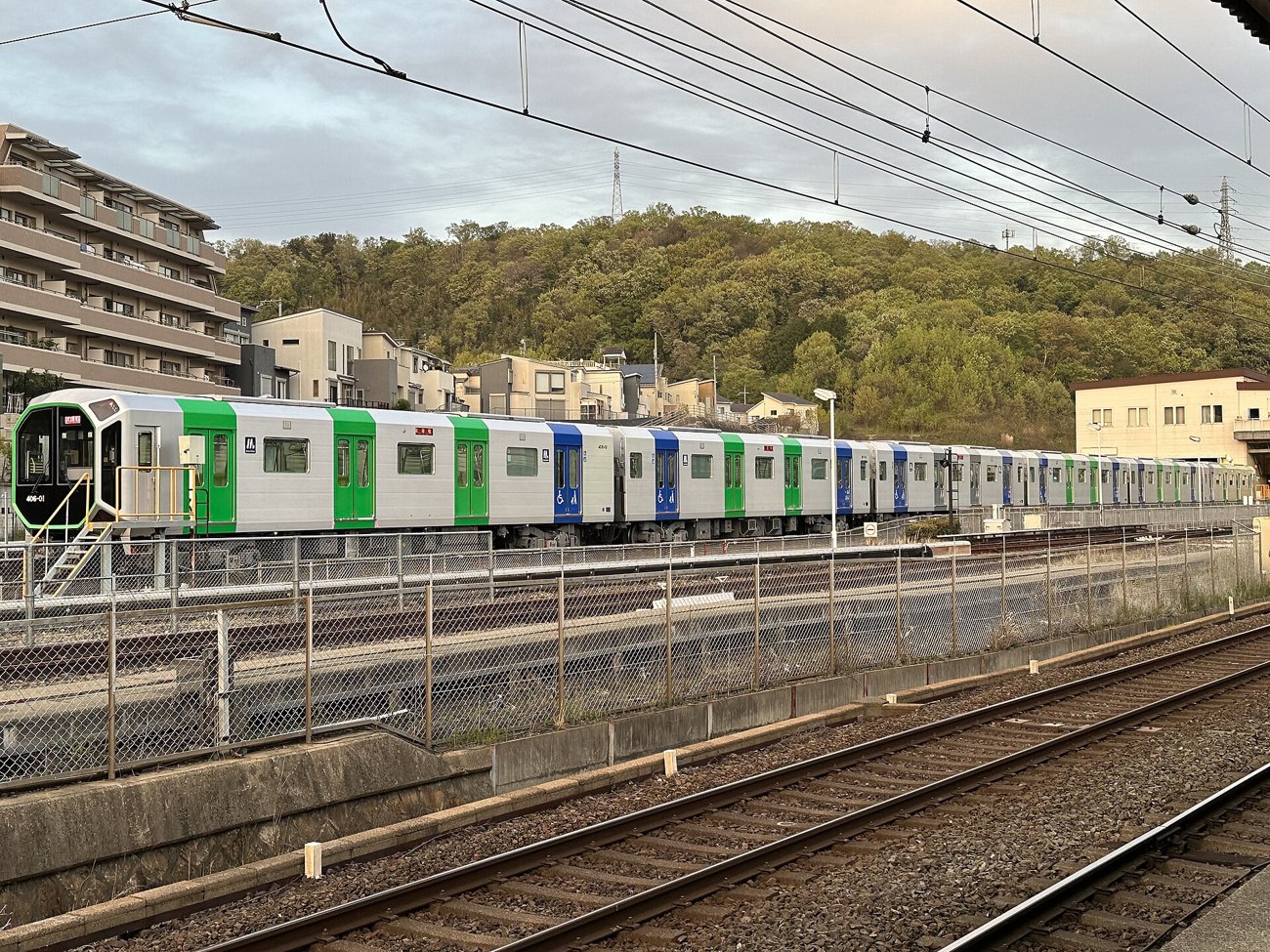
Someone living in or near Osaka already holds an ICOCA card or equivalent and pays the metro’s normal distance-based fare on every ride, which is nearly always cheaper across a week than repeatedly buying day passes — the pass is built around a visitor’s short, attraction-dense day, not a resident’s routine commuting pattern. How that stored-value card actually works, and where its convenience runs out, is covered in how an ICOCA card works in Osaka and its limits.
How to actually decide
- List the specific paid attractions planned for each day, not attractions in general, and check each one’s current admission price on its own official site.
- Check each attraction’s closing day against the pattern described in the Monday-closures article — a shut venue removes an attraction from the day’s math entirely.
- Estimate the day’s subway rides using Osaka Metro’s own distance-banded fare table, not a flat guess.
- Add the two totals and compare them to the pass’s current price tier on the Osaka Convention & Tourism Bureau’s own site before buying, on the day itself rather than from an old screenshot.
- Repeat separately for each day of a multi-day trip rather than averaging across the whole visit.
General planning around Osaka’s transport structure, including the four private railways that the pass does not touch, is collected in the site’s Getting Around archive, and broader trip-timing questions sit in Planning & Practicalities. How this site sources and checks the figures above is set out on the About page.

Access Osaka is an independent guide written from published, checkable sources. We have not visited the places described here and we do not publish personal recommendations or invented ‘local favorites’ — where something is singled out as notable, we say who says so. Opening times, fares, closures and prices change at short notice, so treat everything here as a starting point and confirm with the museum, operator or venue directly before building a day around it. We give no advice on visas, insurance, health or safety; use your own government’s official guidance for those.