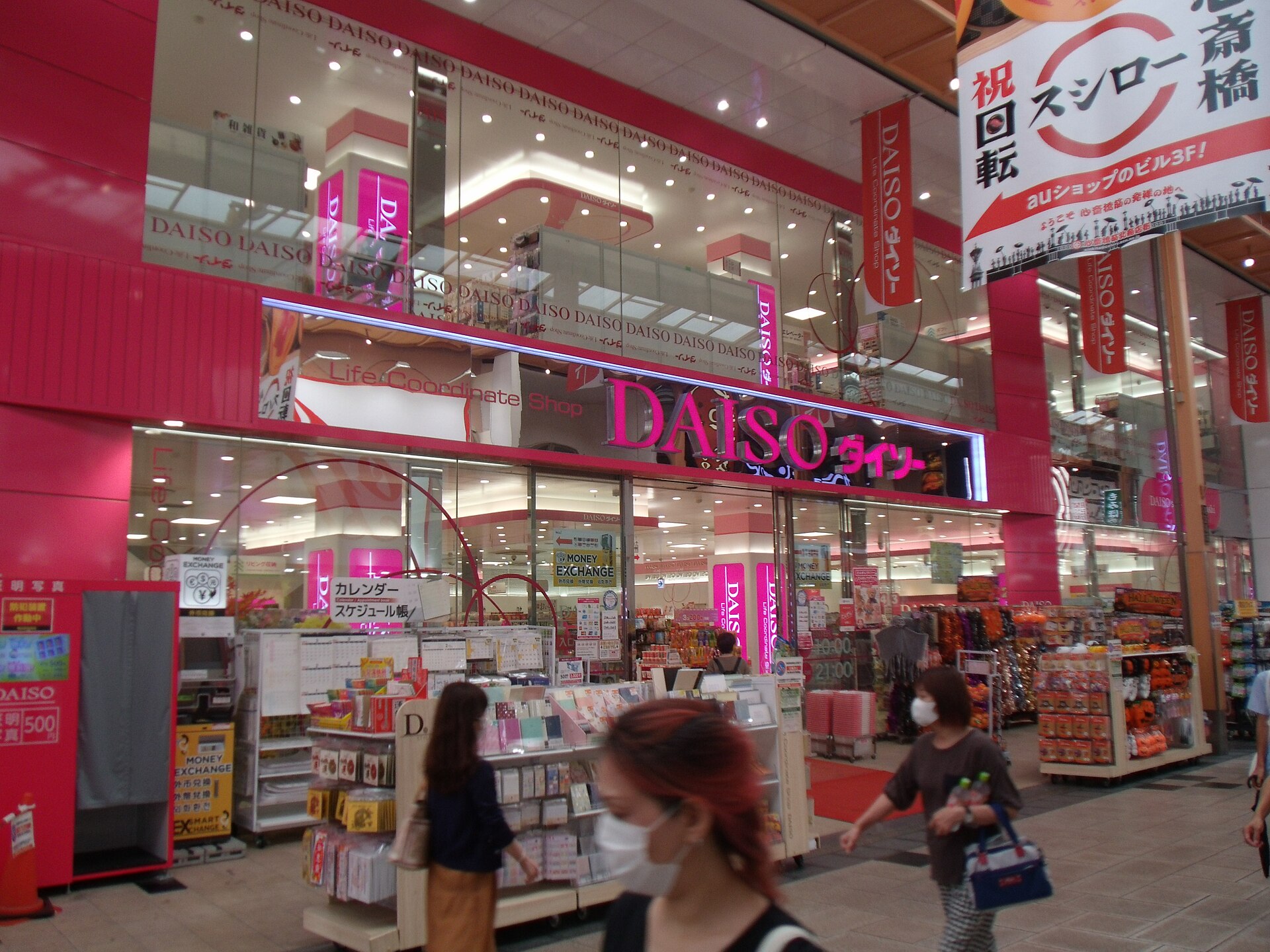
Tax-free shopping in Japan removes the country’s consumption tax for short-term visitors on qualifying purchases, usually above a set spending threshold at a single store on a single day. You show a passport, the store processes the exemption at the till or at a separate counter, and some goods leave the shop sealed in a bag you cannot open until you leave the country.
That basic shape is the same everywhere. What trips visitors up is what happens after the till: which category a purchase falls into, whether the discount applies immediately or gets refunded later, and what counts as breaking the seal on a bag of snacks or cosmetics.
Two categories, not one exemption
Japan’s consumption tax exemption for visitors splits goods into two groups, and they are treated differently.
- General goods — clothing, electronics, bags, watches. No packaging requirement. You can open and use them in Japan.
- Consumables — food, drink, cosmetics, medicine, tobacco. These must be sealed in a tamper-evident bag at the point of sale and stay sealed until you leave Japan.
Japan Customs sets out this split, along with the current minimum spend per category, on its own English-language guidance page — the figures move, so treat the threshold as a structure to check rather than a number to memorise.
The threshold applies per store, per day — and receipts can combine
The minimum spend is not per item. It is per store, per calendar day. If you buy a ¥2,000 item in the morning and a ¥3,500 item in the afternoon at the same shop, most retailers will let you present both receipts together at the tax-free counter to clear the combined threshold, provided both purchases happened that day and you still have the original receipts.
This matters most in department stores and large drugstore chains, where a single tax-free desk processes receipts from multiple floors or checkouts. Keep every receipt until you have either used it or left the store for good — a discarded receipt cannot be reconstructed at the counter.
Instant discount versus refund counter
Stores handle the exemption in one of two ways, and it changes what happens at checkout.
| Model | How it works | Typical stores |
|---|---|---|
| Immediate discount | Tax is removed at the till itself; you pay the tax-free price and show your passport once, at that till | Don Quijote, Bic Camera, and most large electronics and variety chains |
| Pay then refund | You pay the full tax-inclusive price at a normal register, then take the receipt to a separate tax-free counter — often on a different floor — to have the tax refunded, sometimes in cash, sometimes to a card | Many department stores and smaller shops without a tax-free till built into every register |
The second model costs time. Department stores in particular route every tax-free transaction through one designated counter, and queues build up in the late afternoon as tour groups process purchases before heading back to a hotel. Ask at the till which model a store uses before you commit to a large purchase near closing time.


What voids the exemption
The sealed consumables bag is not a courtesy wrapper. It is the physical evidence that the goods left the country unopened, and Japan Customs can inspect it at departure.
Three things commonly void the exemption:
- Opening the sealed bag before departure — even to repack a suitcase. Customs officers at the airport can and do ask to see the intact seal, and an opened bag can mean paying the tax back on the spot.
- Consuming the goods in Japan — the exemption is conditional on export, not on ownership. Eating tax-free snacks before your flight is the same problem as an opened bag.
- Losing the receipt or the attached customs record — some stores staple a record to your passport page or issue a separate paper that customs may ask for at departure. Losing it can mean you cannot prove the purchase was processed correctly.
If you are checking a bag and it contains sealed consumables, current guidance from Japan Customs should be checked directly, since airport inspection procedures for checked versus carry-on tax-free goods have been adjusted in past years.
What you actually need at the till
Bring the physical passport, not a photograph of it. Store staff scan the passport itself, and the exemption is only available to visitors on a short-term status — it does not apply to residents, and staff will ask directly if there is any doubt.
Japan’s tourism promotion body, the Japan National Tourism Organization, publishes a general visitor overview of the scheme in English alongside Japan Customs’ more detailed rules, and both are worth checking before a large planned purchase, such as electronics or a multi-item cosmetics haul.

Where this fits into a wider Osaka trip
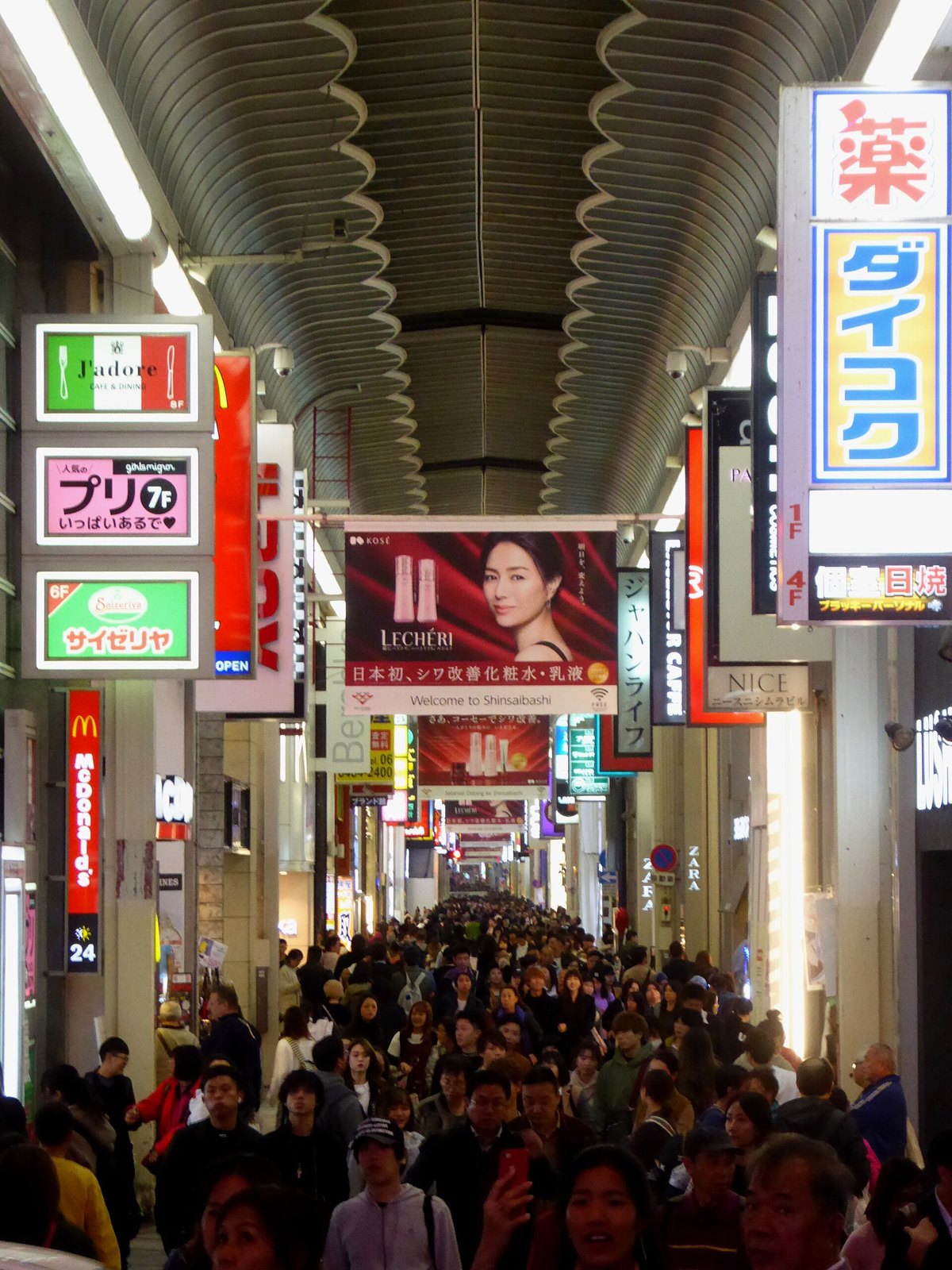
Large tax-free purchases tend to happen in the same places visitors already spend time: Shinsaibashi and Namba for clothing and department stores, Umeda for the flagship electronics chains near Osaka Station. Both districts sit on different railway networks, and knowing which operator runs which line matters more here than in most cities — see our guide to Osaka’s railway companies and where their lines actually go.
Cash still dominates smaller shops even where card payment exists at the tax-free counter, so it is worth reading why Osaka runs on cash before a shopping day. An ICOCA card covers transport fares but has no bearing on the tax exemption itself — the two systems are unrelated.
If a shopping day falls on a Monday, check what is actually open first: many department stores keep normal hours, but some smaller specialty shops close, and our piece on what shuts in Osaka on a Monday covers the pattern. For food purchases specifically — packaged sweets, tea, sake — see the wider Food & Drink archive for what travels well as a sealed consumable.
General trip logistics, including how the Osaka Amazing Pass fits a short visit, sit in our Planning & Practicalities archive, and broader transport structure is covered in the Getting Around archive.
How this page is written
This article draws on Japan Customs’ own published guidance for visitors and the Japan National Tourism Organization’s visitor information, not on a single store visit. Details on our sourcing and corrections process are on the About page; what the site collects when you read it is covered in the privacy policy.
Access Osaka is an independent guide written from published, checkable sources. We have not visited the places described here and we do not publish personal recommendations or invented ‘local favorites’ — where something is singled out as notable, we say who says so. Opening times, fares, closures and prices change at short notice, so treat everything here as a starting point and confirm with the museum, operator or venue directly before building a day around it. We give no advice on visas, insurance, health or safety; use your own government’s official guidance for those.
Featured image: Photo by Mr.ちゅらさん, source, CC BY-SA 4.0
