
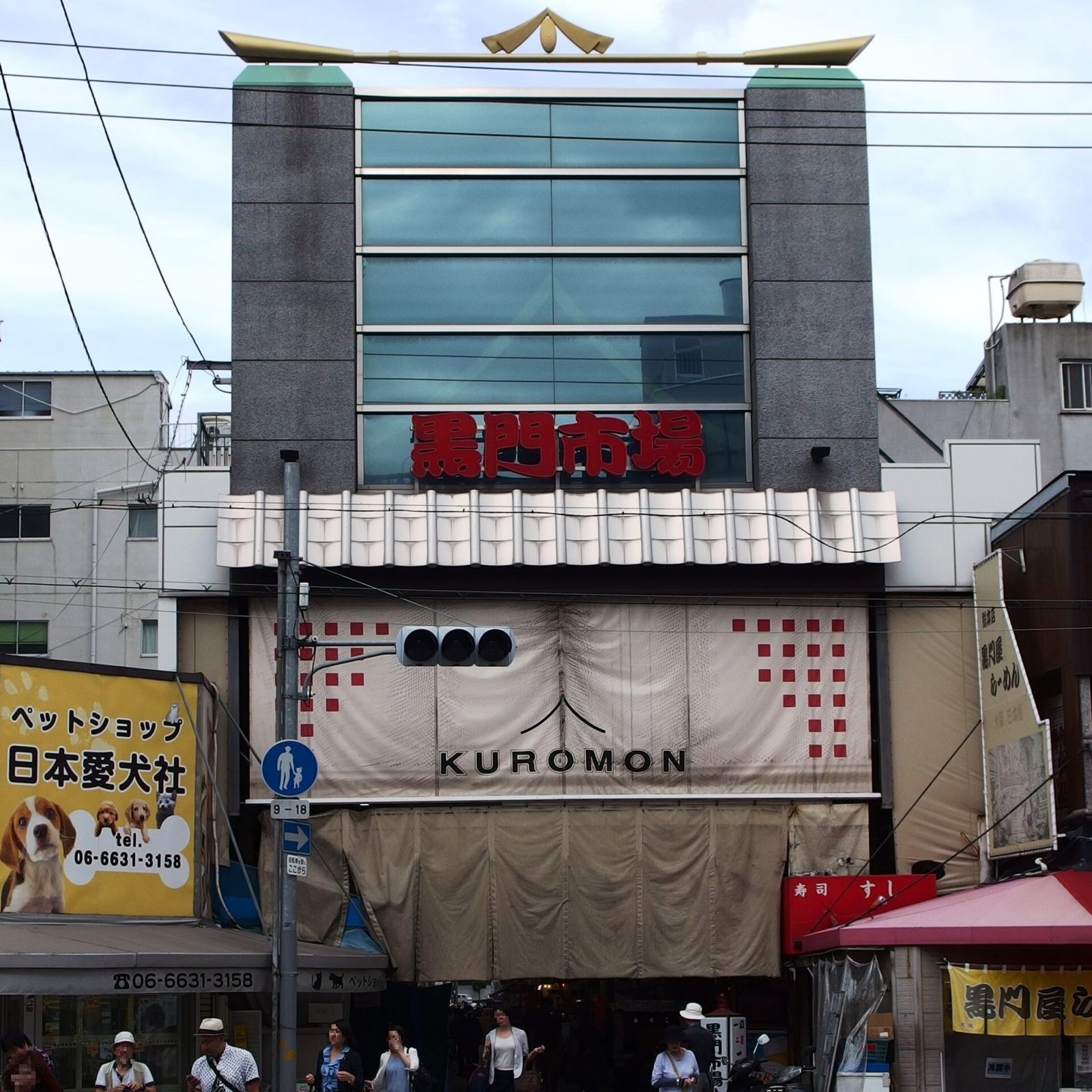
A covered market street six hundred metres long that has fed central Osaka for roughly two centuries and now feeds visitors too. Free to walk through; the eating is the expense.
What it costs
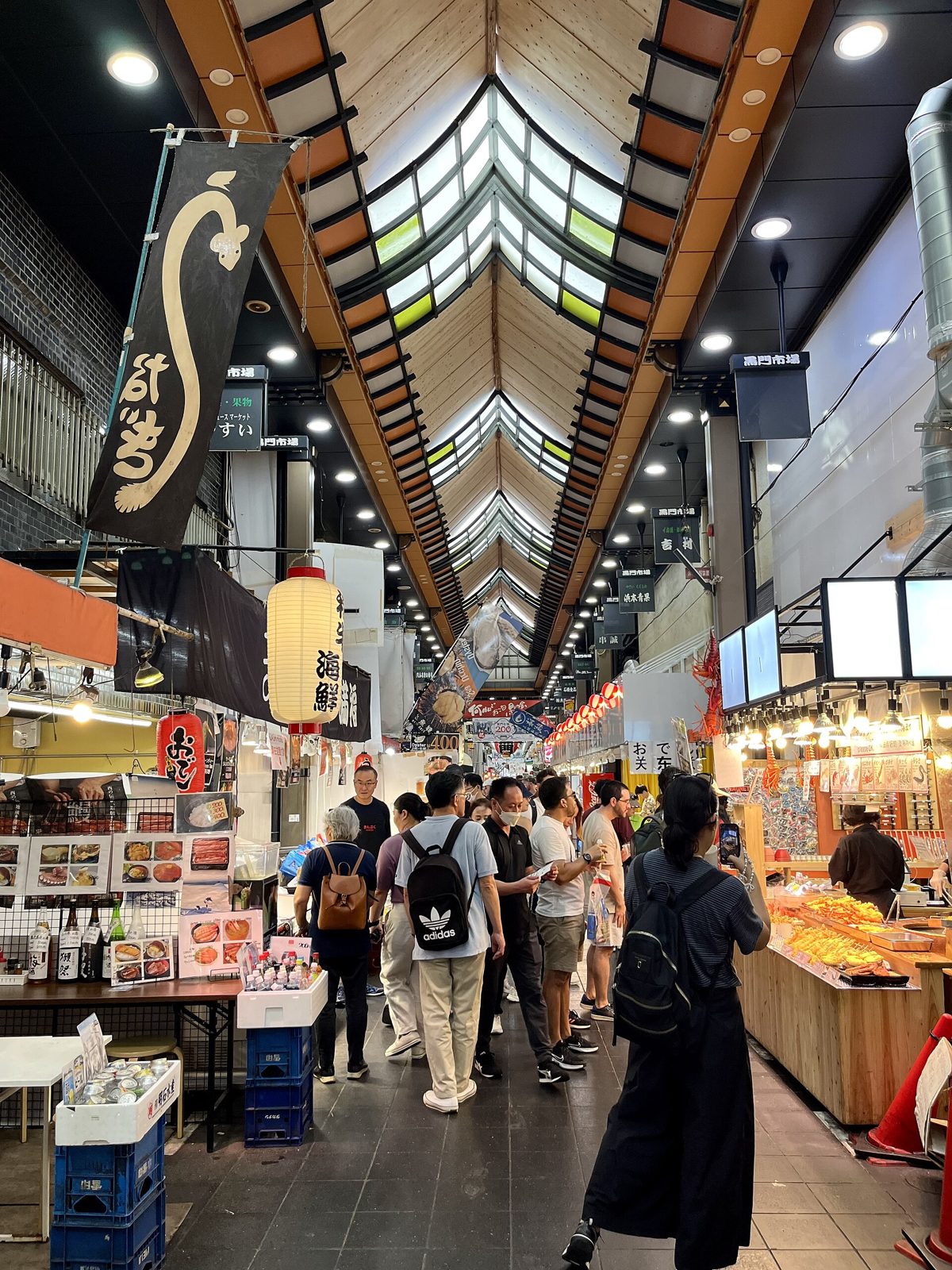
Free to enter — it is a public street with a roof. Prices inside have risen sharply as the market has become a destination, and much of what is sold at the front is priced for visitors: grilled scallops, tuna, wagyu skewers, cut fruit.
The stalls the neighbourhood actually shops at are further in and sell things you cannot eat standing up.
When to go
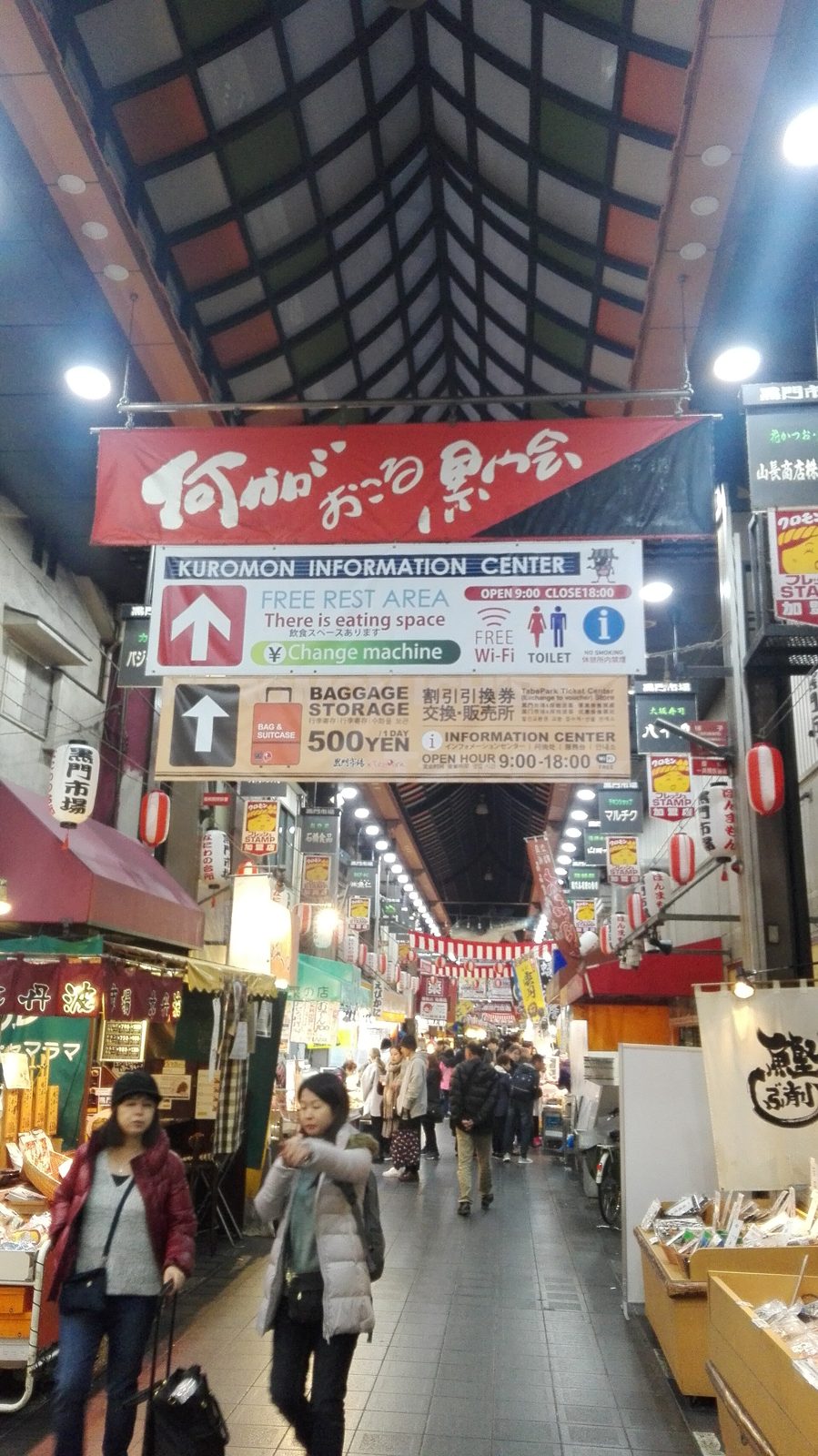
Morning. Kuromon is a working market first: it is busiest and best stocked early, and a good number of stalls are shutting by mid-afternoon. Arriving at five in the evening expecting a night market is the most common mistake here.
It closes for the New Year period, as most of the city’s markets do.
.jpg)
Getting there
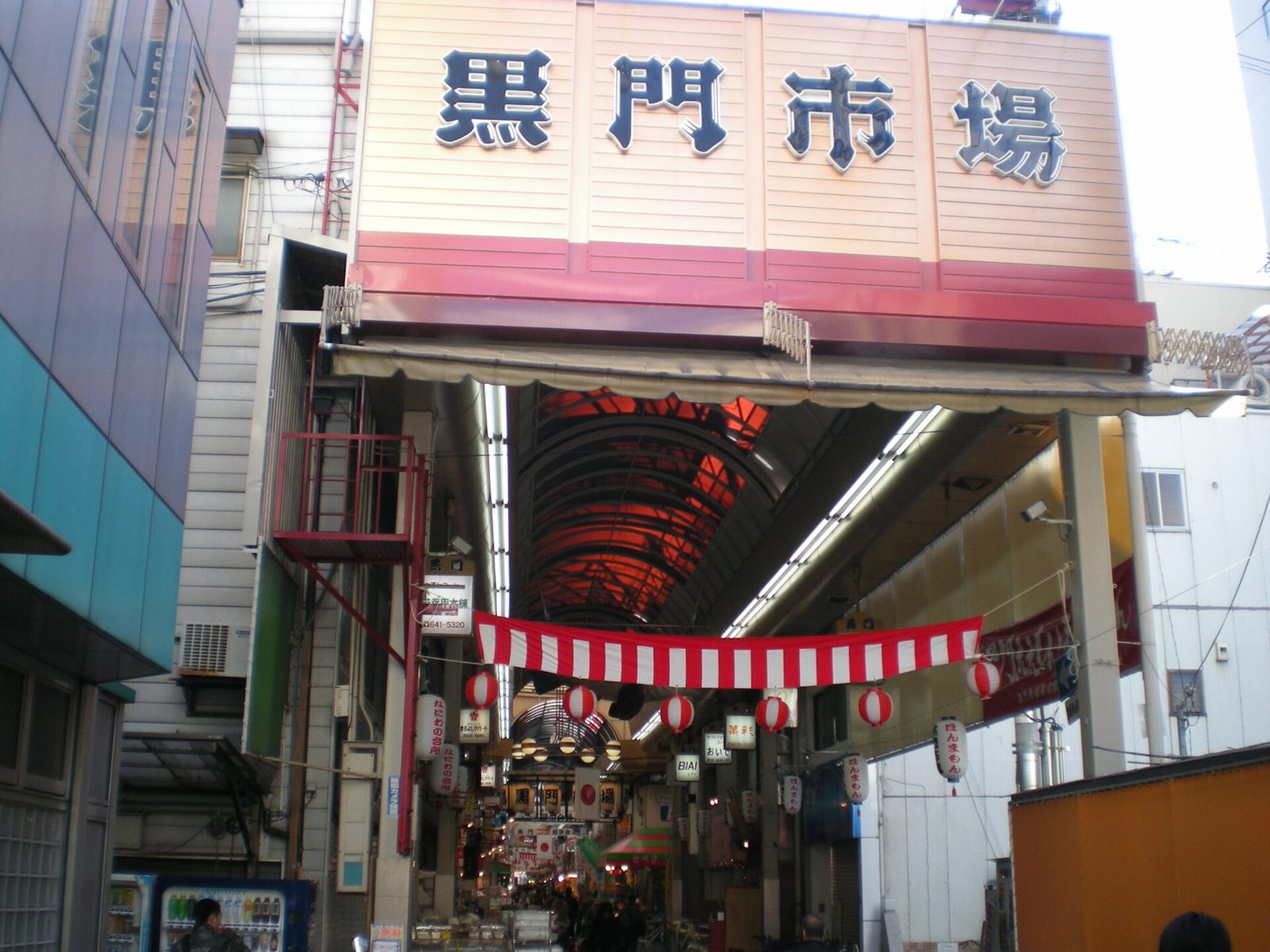
It runs parallel to Sakaisuji in Nipponbashi, a short walk from Dotonbori and from Den Den Town. Entering from the south end puts you at the quieter, more local half first.

If you only have an hour
Walk the length of it once without buying anything, then come back to whatever looked best. Eat standing at the stall — walking while eating is frowned on, and most stalls provide a spot to stand and a bin for the stick.
What people get wrong
There is a second Kuromon Ichiba, and it is not this one. A branch operates inside a shopping mall out in Kadoma; photographs of it circulate as though they were the market. The original is the street in Nipponbashi.
And it is not a cheap place to eat any more. It is a good place to eat — the quality is real — but the days of it being the budget option are over.
.jpg)
Nearby
Ticketing arrangements and opening patterns as published and checked on 5 September 2026. These change without much warning — confirm with the place itself before you travel. More sights, and how they fit together, in Landmarks & Sights.