
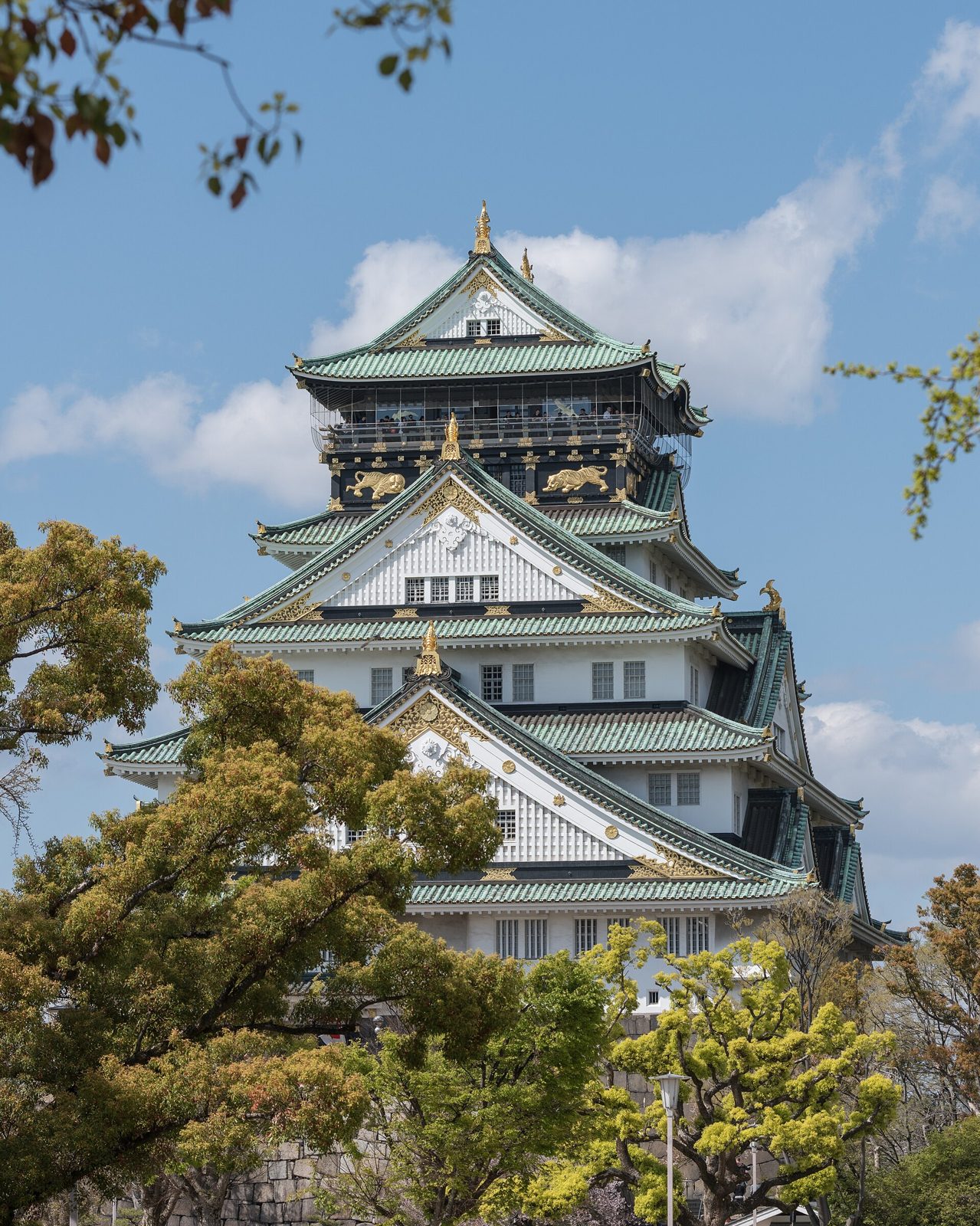
The most photographed thing in Osaka, and the one most often misunderstood: the park, the moats and the enormous stone walls are free and open, and the tower in the middle is a twentieth-century reconstruction you pay to enter.
What it costs
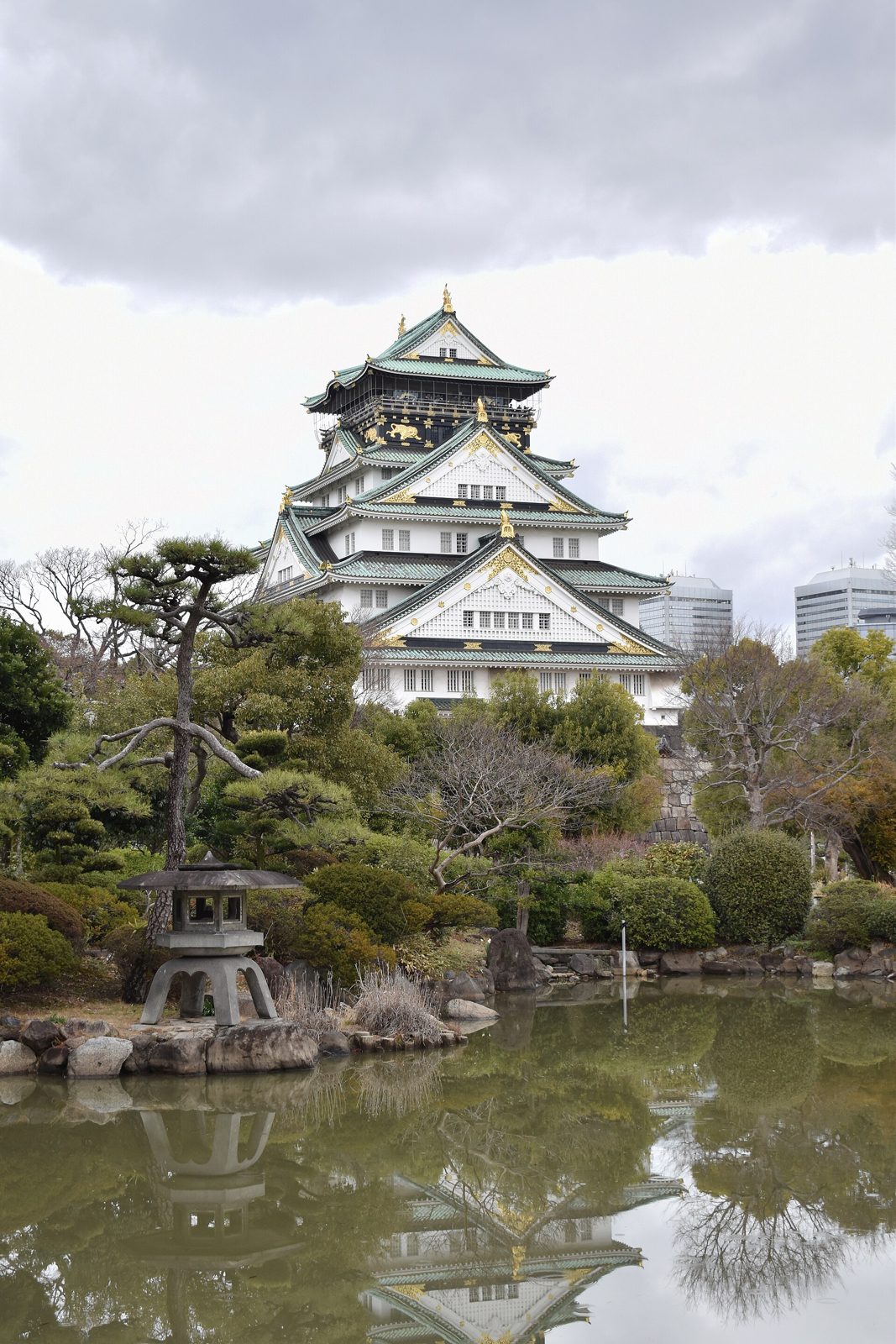
The park and the grounds cost nothing and are open long hours. The keep is a separate ticket, and the Nishinomaru garden is another one again. Combination tickets exist and are worth checking at the gate rather than assuming.
If you are doing several ticketed sights in a day, this is one of the attractions an Osaka Amazing Pass covers — see Planning & Practicalities before you buy anything.
When to go
Early. The grounds open well before the keep and the walk in across the moat is the best part of the visit; by mid-morning the plaza in front of the tower is full. Cherry blossom season turns the park into one of the busiest places in the city — worth it, but go at dawn.

Getting there
The park is ringed by stations on several different lines, which is why directions to it vary so much. Whichever you use, expect a ten to fifteen minute walk inside the park before you reach the keep — the grounds are much larger than they look on a map.

If you only have an hour
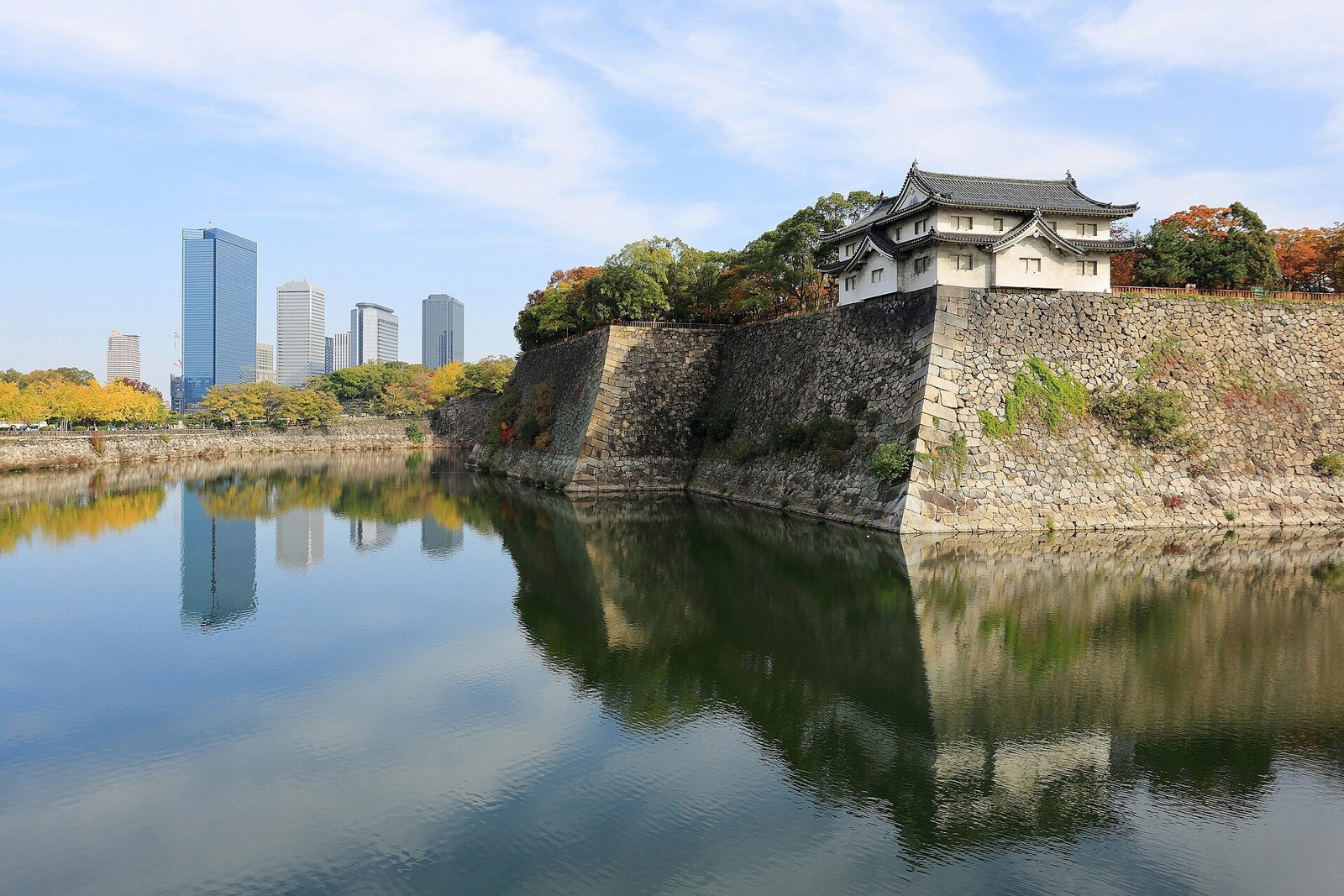
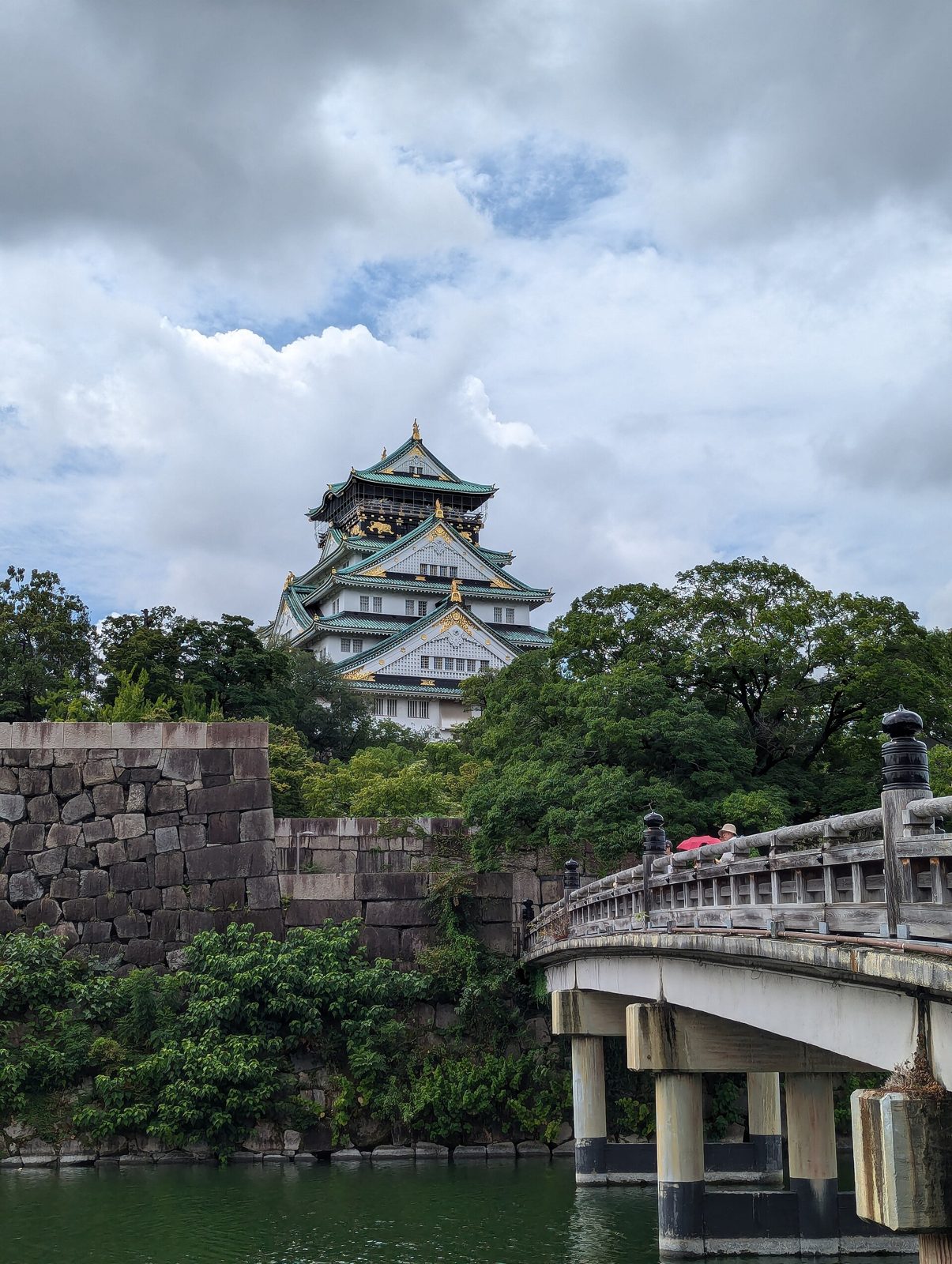
Walk in over the Gokuraku-bashi bridge, go as far as the plaza below the keep, and turn back along the inner moat. You will have seen the walls, the moat and the tower, which is the part that photographs, without queueing for the lift.
What people get wrong
The keep is not the original, and it is not even a careful copy. The castle burned and was rebuilt more than once; the tower standing today is a 1931 reinforced-concrete reconstruction with a lift inside it. That is a genuinely interesting fact rather than a disappointing one — it makes it one of the oldest surviving examples of a pre-war concrete reconstruction in Japan — but visitors expecting a wooden interior are consistently surprised.
The stone walls, by contrast, are original seventeenth-century work, and they are the genuinely astonishing part.

Nearby
Ticketing arrangements and opening patterns as published and checked on 5 September 2026. These change without much warning — confirm with the place itself before you travel. More sights, and how they fit together, in Landmarks & Sights.