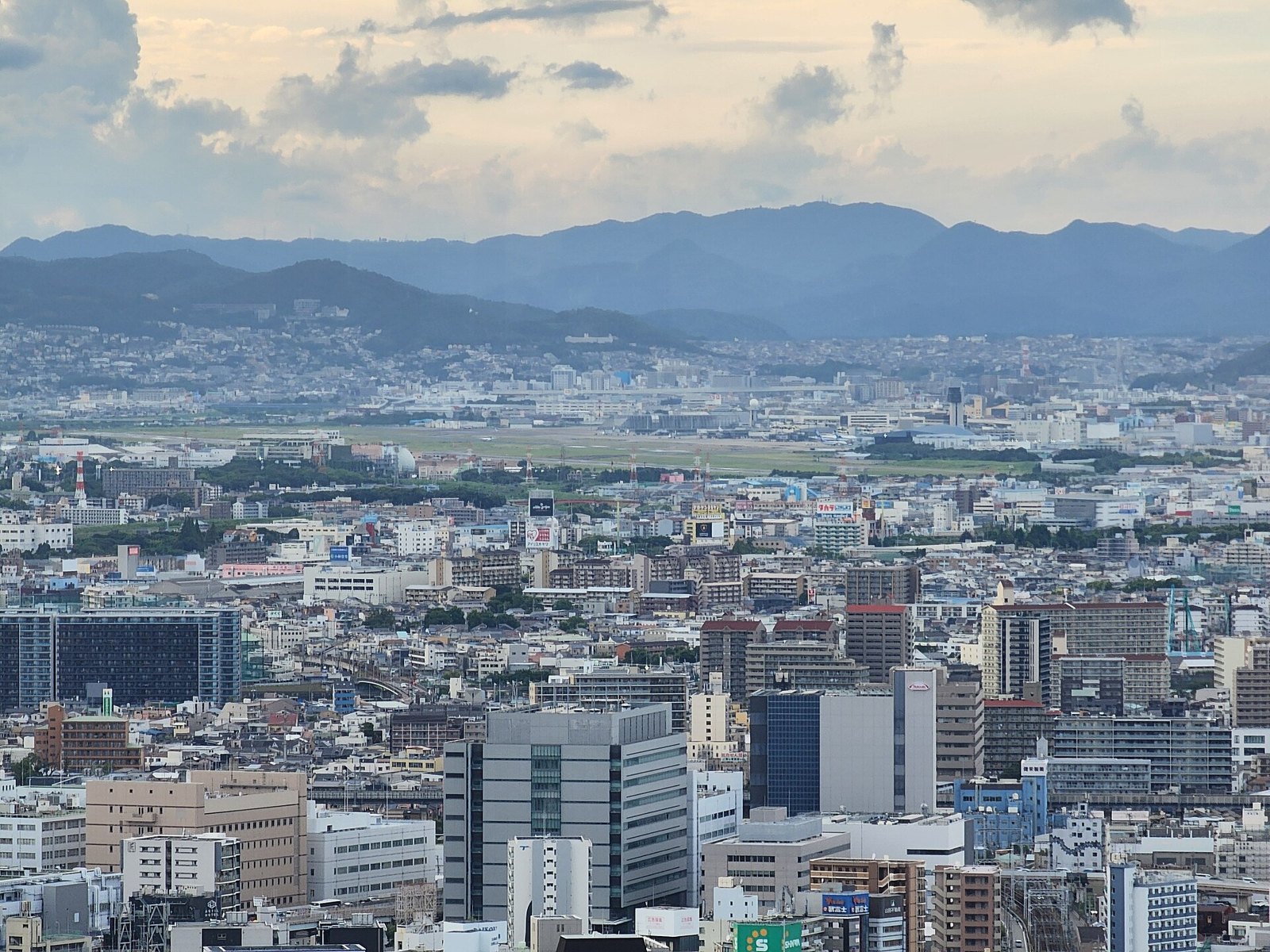
Japan observes 16 national public holidays a year, set by law and listed on the Cabinet Office’s own calendar. Most shops and restaurants in Osaka stay open on an ordinary holiday. The real disruption comes from three multi-day stretches — Golden Week, Obon and New Year — when banks, non-convenience-store ATMs and many restaurants close regardless of what day of the week it is.
How the holiday calendar is built
Japan’s public holidays are fixed by the Act on National Holidays and published yearly by the Cabinet Office. Some have fixed dates, like 23 February (the Emperor’s Birthday) and 3 May (Constitution Memorial Day). Others move deliberately. Several were shifted to Mondays in the early 2000s under what is called the “Happy Monday” system, creating three-day weekends on purpose — Coming of Age Day, Marine Day, Respect for the Aged Day and Sports Day all fall this way now.
There is also a substitute-holiday rule. If a national holiday lands on a Sunday, the following Monday becomes a holiday instead. This matters for Osaka specifically, because it collides with the city’s own closure pattern.
The 16 holidays and what they mean for a visitor
Figures below reflect the 2024 calendar published by Japan’s Cabinet Office. Dates for Happy Monday holidays shift year to year, so always check the Cabinet Office’s own holiday page before planning around one.
| Holiday | Roughly when | Effect on Osaka |
|---|---|---|
| New Year’s Day | 1 January | Falls inside the wider New Year shutdown — see below |
| Coming of Age Day | 2nd Monday of January | Minor; shops and transport run normally |
| National Foundation Day | 11 February | Minor |
| Emperor’s Birthday | 23 February | Minor; occasional crowding at Osaka Castle grounds |
| Vernal Equinox Day | around 20 March | Minor |
| Showa Day | 29 April | Opens Golden Week — see below |
| Constitution Memorial Day | 3 May | Inside Golden Week |
| Greenery Day | 4 May | Inside Golden Week |
| Children’s Day | 5 May | Closes Golden Week |
| Marine Day | 3rd Monday of July | Minor |
| Mountain Day | 11 August | Often overlaps with Obon — see below |
| Respect for the Aged Day | 3rd Monday of September | Minor |
| Autumnal Equinox Day | around 23 September | Minor |
| Sports Day | 2nd Monday of October | Minor |
| Culture Day | 3 November | Minor; some museums run free-admission days |
| Labour Thanksgiving Day | 23 November | Minor |
That is 16 named holidays, and on most of them, Osaka functions close to normally: trains run full timetables, Dotonbori and Shinsaibashi stay busy, and department stores open as usual. The ones worth planning around are the clustered ones, not the solo ones.
The decision rule: Monday closures versus holiday Mondays
Most Osaka museums and many paid attractions close on Monday. That is well established and covered in detail in our guide to what shuts on a Monday in Osaka. The complication is what happens when a public holiday falls on that Monday.
The standard pattern, used by most national and municipal museums in Japan, is this: if the regular closing day (Monday) is a public holiday, the museum opens as normal on the Monday and closes instead on the following Tuesday. This is sometimes written on signage as “closed the day after a national holiday.” It is not universal — some private attractions simply close Monday regardless — so the rule below is a starting assumption, not a guarantee.
| Situation | Likely outcome | What to do |
|---|---|---|
| Ordinary Monday, no holiday | Museum closed as usual | Visit Tuesday–Sunday instead |
| Public holiday falls on a Monday | Museum likely opens Monday, closes Tuesday | Visit Monday; avoid Tuesday |
| Public holiday falls on a Sunday | Substitute holiday created on the Monday | Treat that Monday as a holiday Monday — check Tuesday closure |
| Public holiday falls on Tue–Fri | No effect on the Monday-closure cycle | Normal Monday rule applies |
Because this varies by institution, the only reliable step is checking the specific venue’s own page for the week in question — the pattern above tells you what to expect, not what is guaranteed.

The three windows that shut Osaka regardless of weekday
Unlike a single holiday, three calendar periods close things across the whole city, independent of whether they contain a Monday or not.
Golden Week — late April into early May
Four holidays sit within a nine-day span: Showa Day, Constitution Memorial Day, Greenery Day and Children’s Day. Many Japanese workers take the whole stretch off, which means heavy domestic travel, full trains between Osaka and Kyoto, and some smaller restaurants and shops closing for several days even though no single day forces them to. Hotel rates rise across the country for this reason, not because of any one holiday.
Obon — mid-August
Obon is not a public holiday in the legal sense; it is a Buddhist observance for ancestors, traditionally mid-August, and it is not fixed to a specific date in the way the 16 statutory holidays are. In practice it functions like one: many businesses close for several days around 13–16 August so staff can return to family hometowns. Expect the same effect as Golden Week — crowded trains, some shops shut for the stretch — without a line on the Cabinet Office’s calendar to warn you.
New Year — 29 December to 3 January
This is the hardest stop of the three. Banks close under the Banking Act for this period nationwide, and ATMs outside convenience stores frequently go offline too. Many restaurants, including some that never close any other week of the year, shut for the full stretch. Kuromon Ichiba Market, a working morning market rather than a tourist set piece, closes for New Year like most of the food trade around it. Shrines are the exception — Sumiyoshi Taisha and other major sites see their highest attendance of the year in the first days of January for hatsumode, the first shrine visit.
What this means for planning
Treat the 16 individual holidays as low-risk; Osaka absorbs most of them without visible disruption. Treat Golden Week, Obon and the New Year week as separate planning problems, closer to a Sunday in a Western city than a single public holiday. Carry more cash than usual going into any of the three — our guide to Osaka’s cash habits explains why relying on a card is already a weaker plan here, and it gets weaker still when ATMs are down for days. An ICOCA card keeps working through all of this, since transit and convenience-store payments are not affected the way bank services are.
If a trip to Kyoto is part of the plan, note that Golden Week and Obon hit Kyoto’s trains just as hard as Osaka’s — our comparison of Osaka–Kyoto rail operators is worth reading before booking seats on either the JR or Hankyu/Keihan side during those weeks. Where to base a stay also matters more during a blackout window, since Kita and Minami empty and fill at different rates — see our guide to choosing between Kita and Minami.
For a wider sense of what else varies by day and season in Osaka, our Planning & Practicalities section and Getting Around archive cover transport and scheduling questions beyond holidays specifically.
How this site sources and checks claims like the ones above is explained on our About page; what the site collects when you read it is set out in the privacy policy.

Access Osaka is an independent guide written from published, checkable sources. We have not visited the places described here and we do not publish personal recommendations or invented ‘local favorites’ — where something is singled out as notable, we say who says so. Opening times, fares, closures and prices change at short notice, so treat everything here as a starting point and confirm with the museum, operator or venue directly before building a day around it. We give no advice on visas, insurance, health or safety; use your own government’s official guidance for those.
Featured image: Photo by LMP 2001, source, CC BY-SA 4.0
