Osaka is served by two separate airports, and the one you are actually flying into is whichever three-letter code sits on your e-ticket — not the word “Osaka” itself, which many booking systems use as a city label covering both. Kansai International (KIX) sits on an artificial island in Osaka Bay and handles the bulk of international traffic. Itami (ITM) sits inside the city’s northern suburbs and handles mostly domestic routes. The confusion starts because a surprising number of domestic flights also use KIX.
The basic split: KIX and ITM
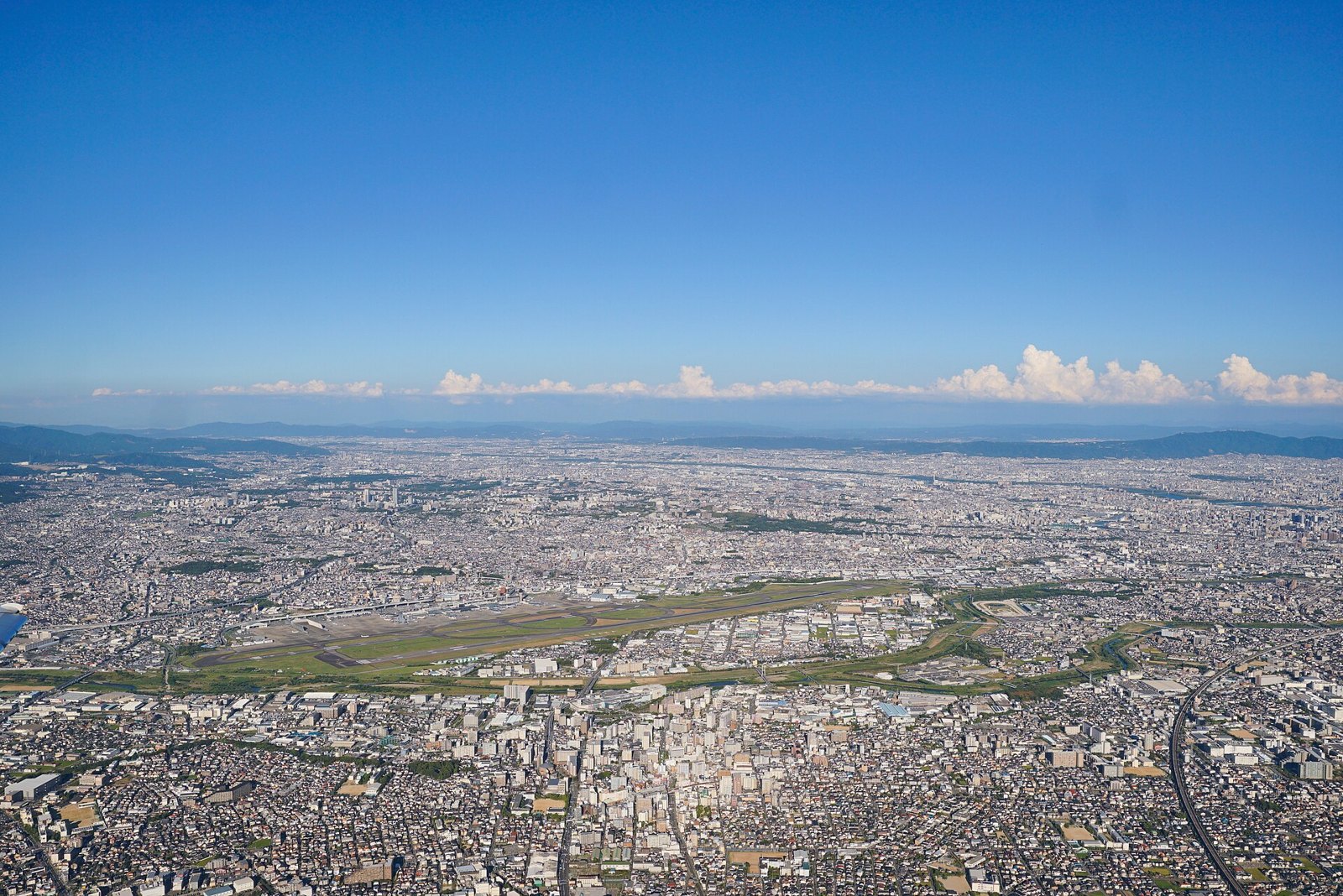
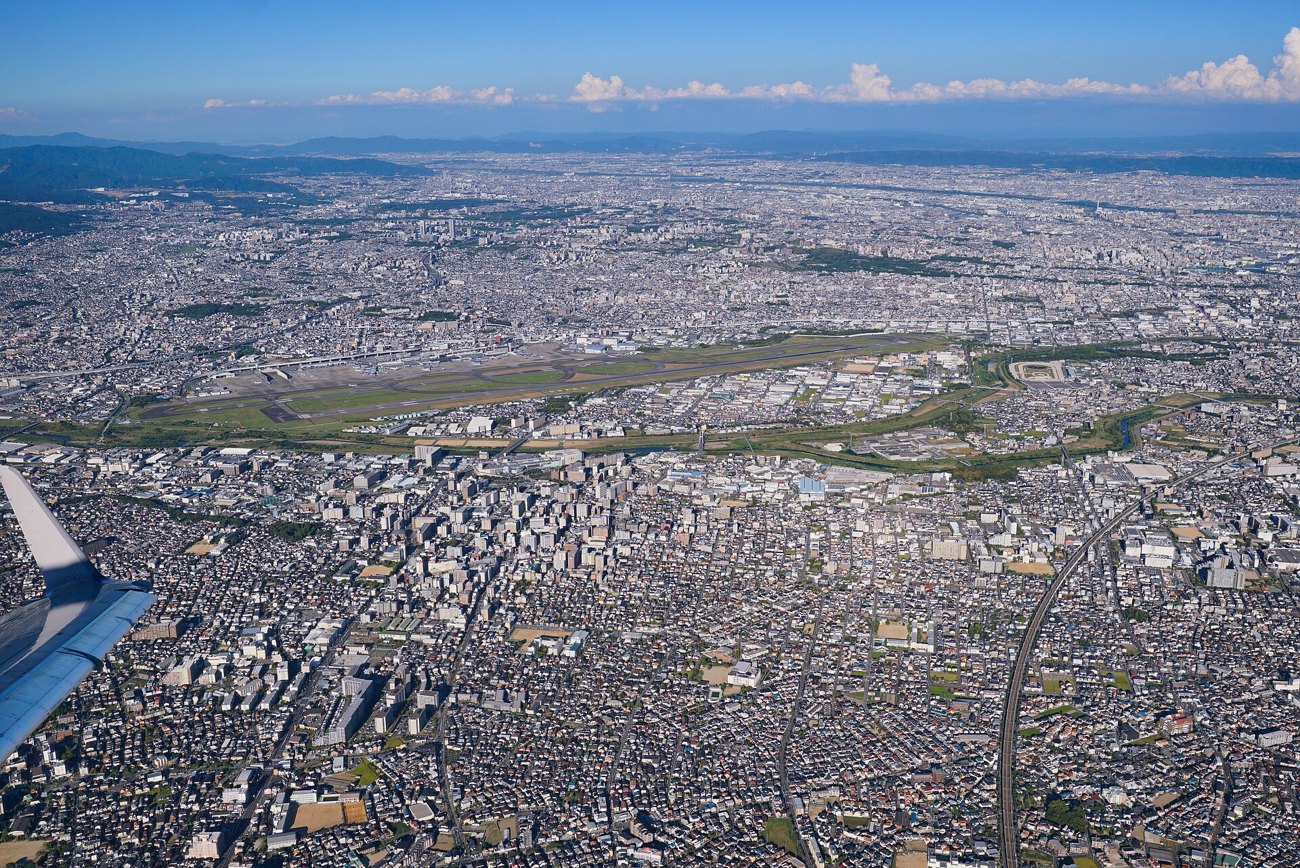
Kansai International Airport was built on reclaimed land roughly 40km south-west of central Osaka specifically because the city had nowhere left to expand a major airport without noise or land disputes. It opened in 1994 and now carries most of the region’s international scheduled flights, plus a growing share of domestic routes. Osaka Itami Airport, by contrast, is an older airport inside the built-up area, close to the Hankyu and Osaka Monorail networks, and it is restricted to domestic flights only — it has no international terminal at all.
Both airports are operated by Kansai Airports, the private operator group that also runs Kobe Airport. Its own site is the place to confirm current terminal maps, route lists and which carriers fly from which airport, since airlines do shift routes between the two over time.
Why “Osaka” on your ticket doesn’t tell you anything
Here is the part most guides skip. Many airline and online travel agency booking systems use “OSA” as a metropolitan area code for Osaka — a grouping code, not an airport. When a search result or itinerary says “Osaka (OSA)”, it has not told you which airport you are using; it has told you which city. The actual airport is only confirmed by the specific code attached to your flight number: KIX for Kansai, ITM for Itami. This matters because the two airports are not interchangeable in any practical sense — different train lines, different bus terminals, different distances from central Osaka, and no shared ticketing between the rail operators that serve them.
The budget-carrier trap
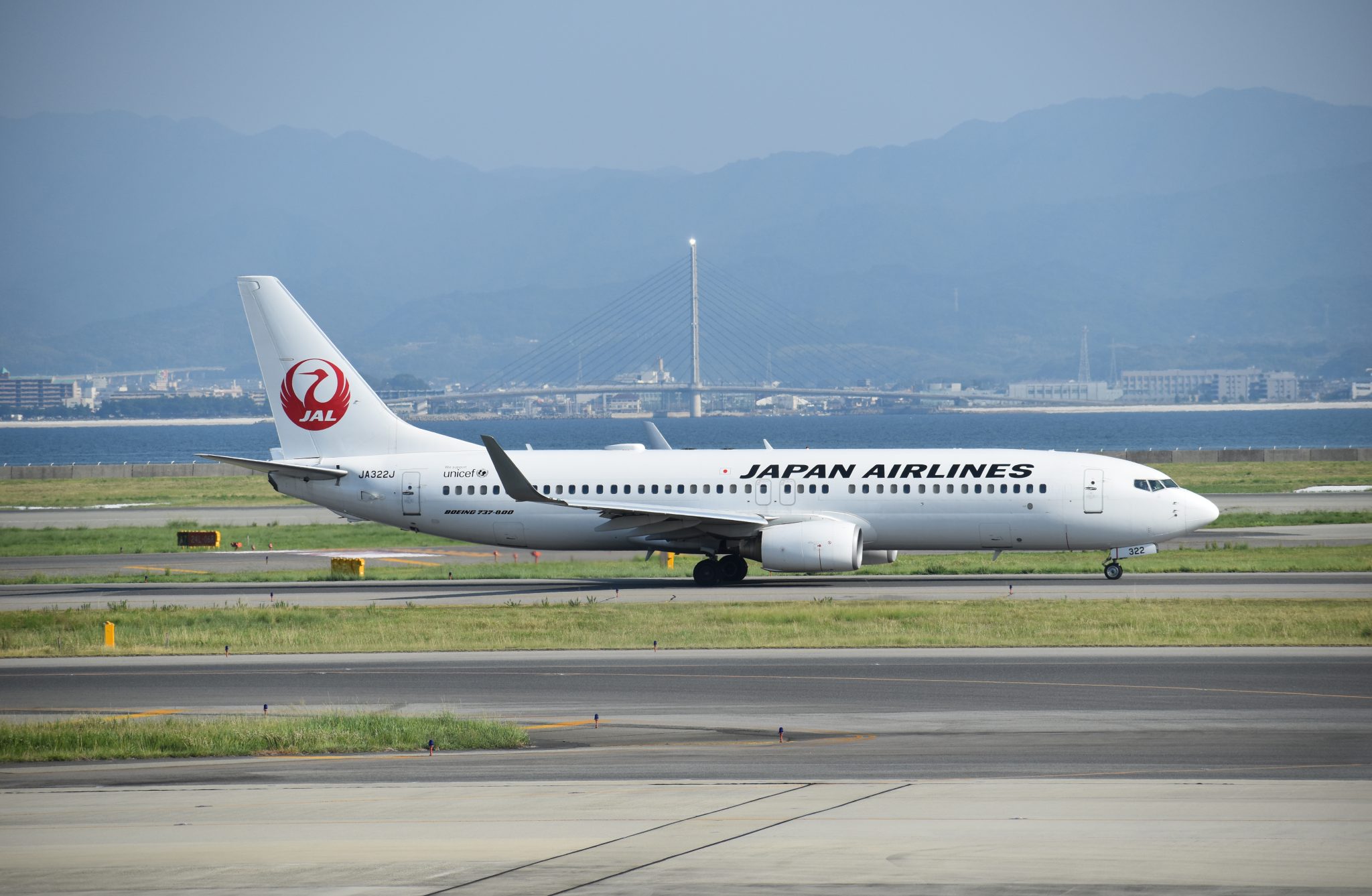
The assumption that “domestic equals Itami, international equals Kansai” is the single most common wrong guess, and low-cost carriers are exactly why it fails. Peach Aviation, Japan’s largest LCC and a Kansai-based carrier, operates its domestic network out of KIX, not Itami — a direct consequence of Itami’s older infrastructure and noise-related operating restrictions, which historically limited the aircraft types and slot capacity it can accommodate. Jetstar Japan likewise runs a substantial share of its domestic Kansai flights from KIX. A traveller flying Osaka to Fukuoka or Osaka to Sapporo on one of these carriers can easily find themselves heading for Itami out of habit when their flight is actually at Kansai, 40km away on the other side of the metropolitan area. Both airlines publish their own route and terminal information, and it is worth checking there directly rather than assuming by route type.
| Code on ticket | Airport | What it actually tells you |
|---|---|---|
| KIX | Kansai International | On the bay island; international and a large share of domestic LCC routes (Peach, Jetstar Japan and others) |
| ITM | Osaka Itami | Inside the city’s northern suburbs; domestic only, no international terminal |
| OSA | Not an airport | A city/metro-area grouping code used by some booking systems — ignore it for planning transport |
The decision rule, stated plainly: open the e-ticket or boarding pass, find the three-letter airport code next to the flight number, and plan transport from that code alone. Never plan from the word “Osaka” or from an assumption about whether the flight is domestic or international.


Getting from each airport into the city
Kansai International connects to the mainland by a single bridge road and rail, and from there into Osaka by JR West’s Haruka limited express or the Nankai Electric Railway’s airport line, among other options — the fares, journey times and which line suits which destination are covered in detail in our guide to Kansai Airport to Osaka routes and fares. Itami, being inside the city’s suburban rail network, reaches central Osaka faster by Osaka Monorail connecting into the Hankyu and Osaka Metro systems — worth understanding alongside our overview of which company runs which line in Osaka, since neither airport’s rail link is run by a single operator end to end. An ICOCA card smooths transfers across most of this network regardless of which airport you land at; its coverage and limits are explained in our guide to how ICOCA actually works.
Which matters for where you’re staying
If arriving into Itami, the suburbs it sits in are closer to Kita (Umeda) than to Minami (Namba/Dotonbori); if arriving into Kansai, the first rail connections generally serve Namba and Tennoji before Umeda. This is worth weighing against the broader question of which side of Osaka to stay in, since a wrongly-assumed airport can add a real transfer, not just a minor inconvenience.
The short version
- “Osaka” or “OSA” on a booking site is a city code, not an airport — it decides nothing about your transport plan.
- KIX means Kansai International, on the bay island, regardless of whether the flight is domestic or international.
- ITM means Itami, inside the city’s suburbs, domestic only.
- Budget carriers such as Peach and Jetstar Japan commonly fly domestic routes from KIX, not Itami — check the carrier’s own route page if in doubt.
- Confirm the operator and current terminal detail on Kansai Airports’ own site before travelling, since routes between the two airports do shift.
For wider questions about moving around once you’ve landed, our Getting Around archive and Planning & Practicalities archive cover the rest of the rail and card system in more detail. Details on how this site sources and checks its transport information are on our about page.
Access Osaka is an independent guide written from published, checkable sources. We have not visited the places described here and we do not publish personal recommendations or invented ‘local favorites’ — where something is singled out as notable, we say who says so. Opening times, fares, closures and prices change at short notice, so treat everything here as a starting point and confirm with the museum, operator or venue directly before building a day around it. We give no advice on visas, insurance, health or safety; use your own government’s official guidance for those.
Featured image: Photo by Ethan Doyle White, source, CC BY-SA 4.0
