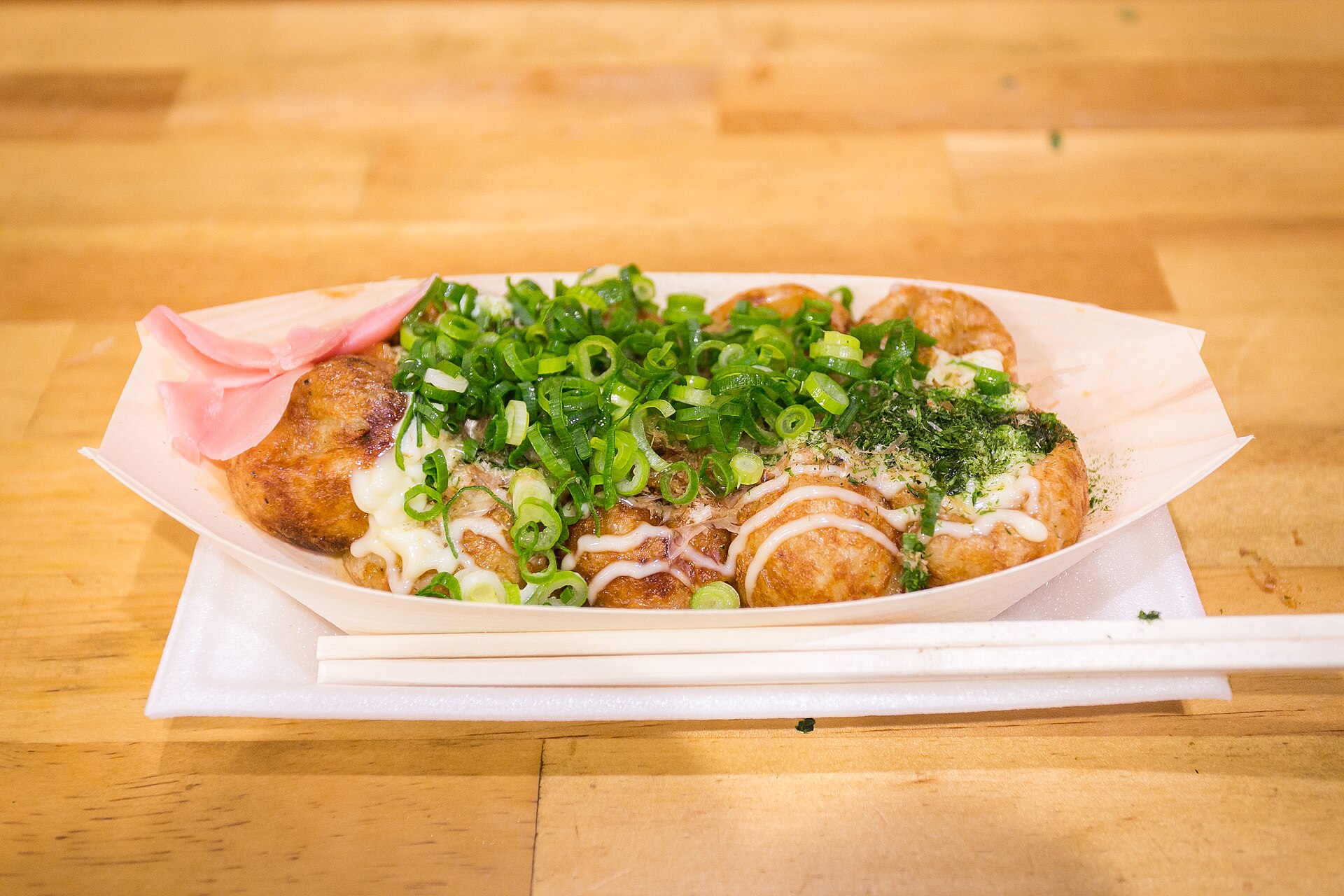
Takoyaki is sold on almost every street a visitor is likely to walk in central Osaka, but what it actually costs depends far more on the type of stall than on which neighbourhood it sits in. A tourist-strip stand in Dotonbori, a shotengai stall in a working shopping arcade, and a department store food court each price a set of eight balls by a different logic, and the gap between them is large enough to change where it makes sense to eat.
Three tiers, not one price
There is no single “takoyaki price” in Osaka, in the way there is no single price for coffee. What recurs is a set of tiers, each tied to a format and a location type. These are the shapes the market tends to take, drawn from how stalls present their own menu boards — not a live quote, and any individual stall’s board is the only figure worth trusting on the day:
- Tourist-strip stalls (Dotonbori, Shinsekai frontage near Tsutenkaku): typically around 600–800 yen for a set of eight pieces, sold standing, cash-first, often with a queue built into the price of being next to a landmark.
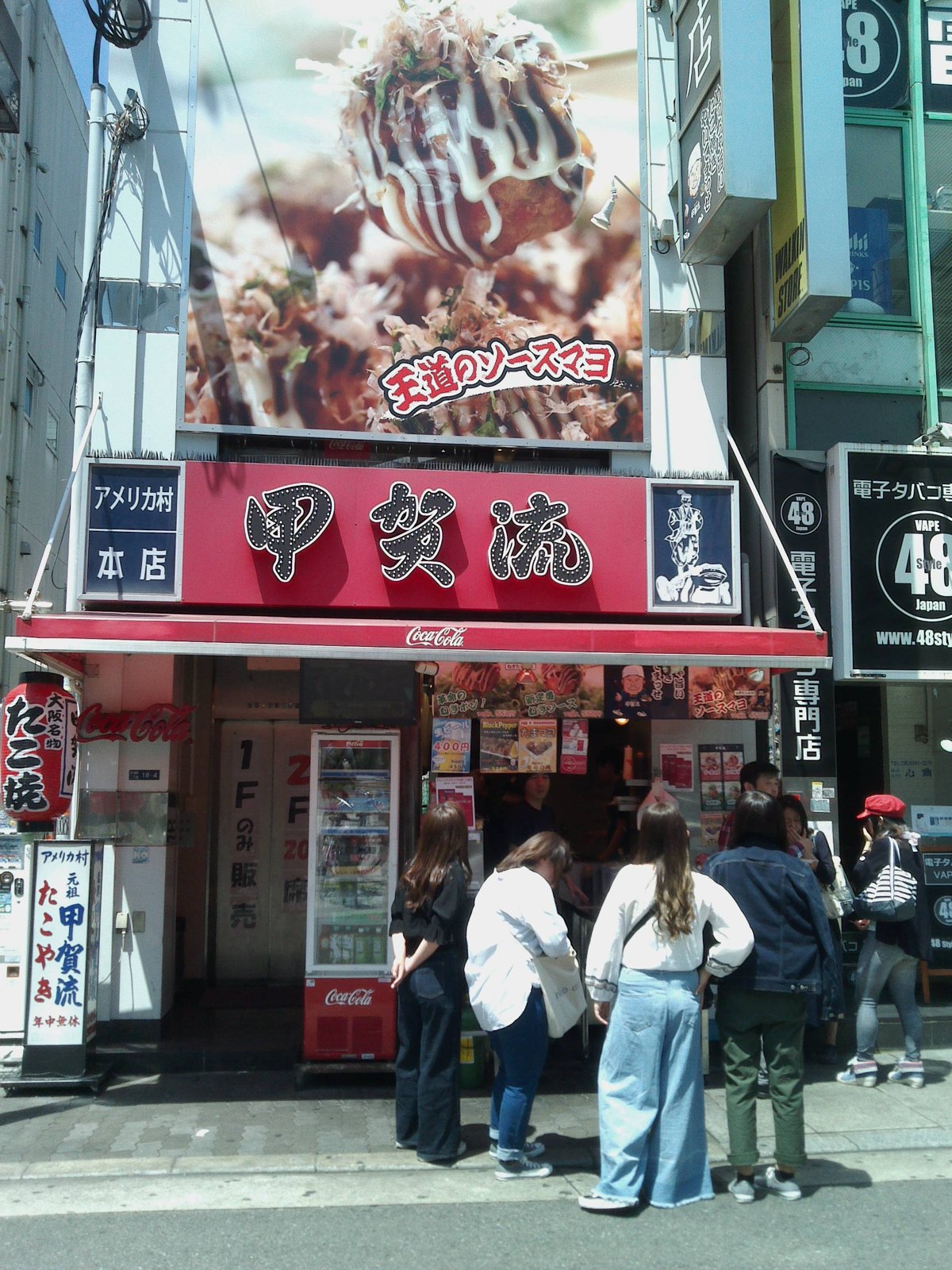
- Shotengai and neighbourhood stands (Tenjinbashi-suji and similar covered arcades): typically around 400–500 yen for eight to ten pieces, aimed at local foot traffic rather than photographers, often from a stall that has run on the same corner for decades.
- Department store basements and food courts (depachika, station building food floors): often around 450 yen, usually for a smaller set, but sit-down, plated, and almost always card-payable — a different transaction entirely from a paper tray eaten on the street.
Treat those three bands as the structure of the market rather than today’s figure. A stall’s actual price is posted on its own board, in yen, at the counter — that is the only number worth relying on, and it is worth glancing at before ordering rather than assuming from a photo online.
Why Dotonbori costs more for less
Several of Dotonbori’s well-known takoyaki counters sit directly beneath or beside the canal-front signage — the running man, the mechanical crab, the giant octopus — that visitors queue to photograph. That frontage carries high rent, and it tends to show up in two places on the menu rather than one: the price of the set, and the size of the octopus piece inside each ball. A stall paying for a position next to the city’s most photographed signage is not pricing against a quiet arcade two kilometres away; it is pricing against the next stall thirty metres along the same canal, all of which face the same rent.
The practical result is that the same 500–600 yen buys a materially different amount of actual octopus depending on where it is spent. This is not a formal study — it is visible on the menu boards and in the batter-to-tako ratio of what arrives — but it is consistent enough to be worth stating plainly: a tourist-strip set is paying in part for the location, not only the food. None of this means the Dotonbori stalls are poor value for what they are — a photograph next to the octopus sign plus a hot snack, eaten standing — only that it is a different purchase from a shotengai stand, and worth recognising as one.

Tenjinbashi-suji: the arcade alternative
Tenjinbashi-suji is a covered shotengai running north from near Osaka Tenmangu in Kita, and the Osaka Convention & Tourism Bureau describes it among the longest continuous covered shopping arcades of its kind — a working shopping street for residents, not a tourist strip, with pharmacies, clothing shops and long-running food stalls mixed together under the same roof. Takoyaki sold here is priced for people buying lunch on the way somewhere else, which is the structural reason it tends to sit in the lower band. For readers deciding which side of the city to stay in, Kita (where Tenjinbashi-suji sits) and Minami (where Dotonbori sits) function quite differently, and that difference is worth understanding before booking either.

Kuromon Ichiba: a morning market, not a night market
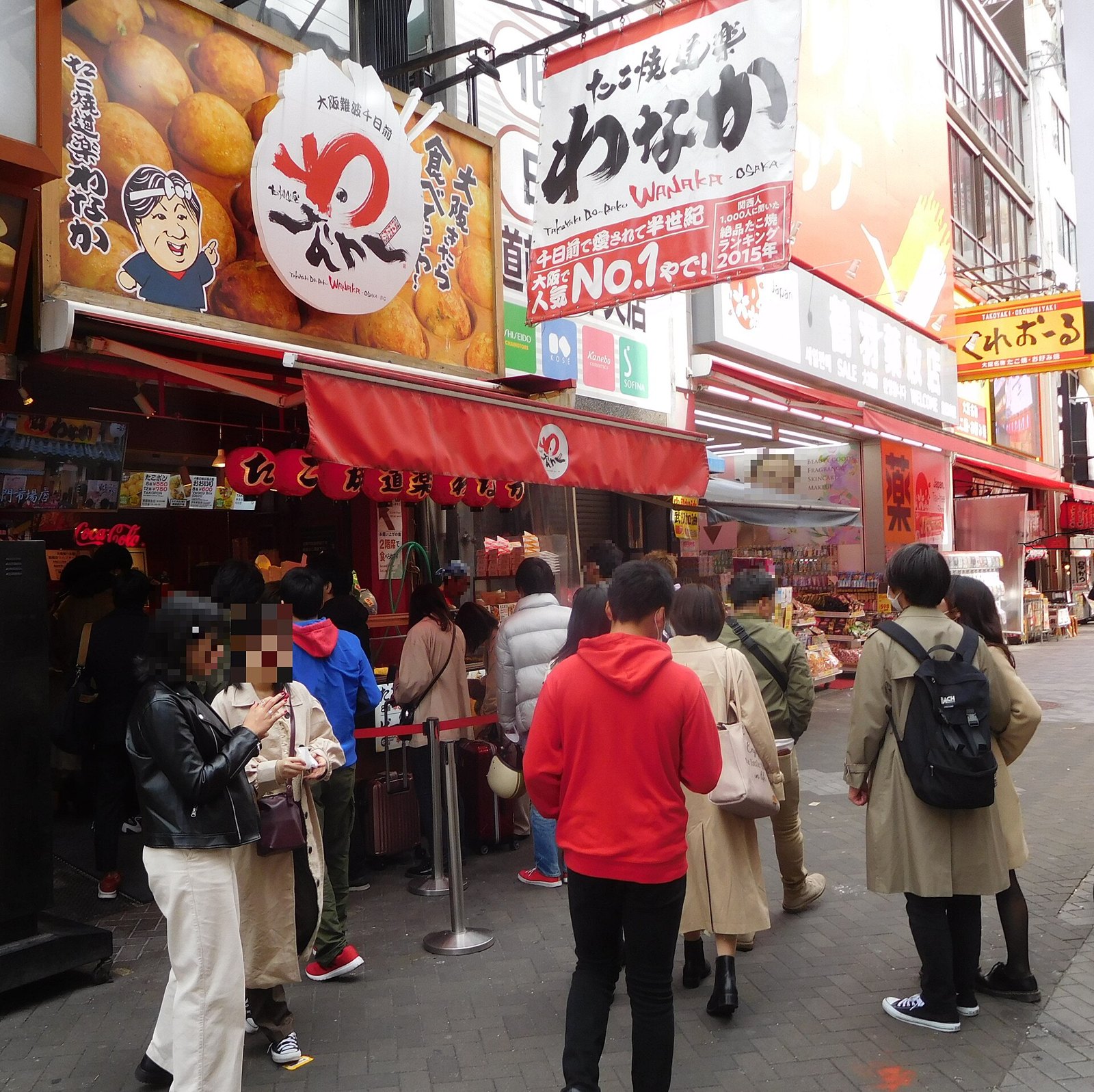
Kuromon Ichiba, in Minami near Nippombashi, is a covered retail market that has operated on the same site for well over a century, selling fresh seafood, produce and prepared food including takoyaki at individual stalls. Its own published information describes it as a market that trades through the morning and early afternoon and thins out considerably after that — a detail that matters more than price, because a visitor arriving at six in the evening expecting a lively night market will find many stalls already closed. Prices at Kuromon’s quieter stalls tend to sit closer to the shotengai band than the Dotonbori one, for the same underlying reason: less photograph-driven footfall, less premium built into the price.
Department store basements: a different transaction
Major department stores in both Umeda and Namba run basement food floors (depachika) and upper-floor food courts that sell a sit-down version of takoyaki — plated, served with a tray, and critically, paid for the way most other retail in the building is paid for: by card as well as cash. This matters because Osaka’s street food economy runs overwhelmingly on cash, and a department store counter is one of the few takoyaki formats where that is not strictly true. The trade-off is a smaller, more standardised set, usually at the lower end of the price range, eaten seated rather than carried through a crowd.
How a takoyaki set is actually priced
Three variables drive most of the difference inside a single stall’s own menu, independent of location:
- Piece count — sets are commonly sold in sixes, eights, tens or twelves, so a lower headline price may simply mean fewer balls.
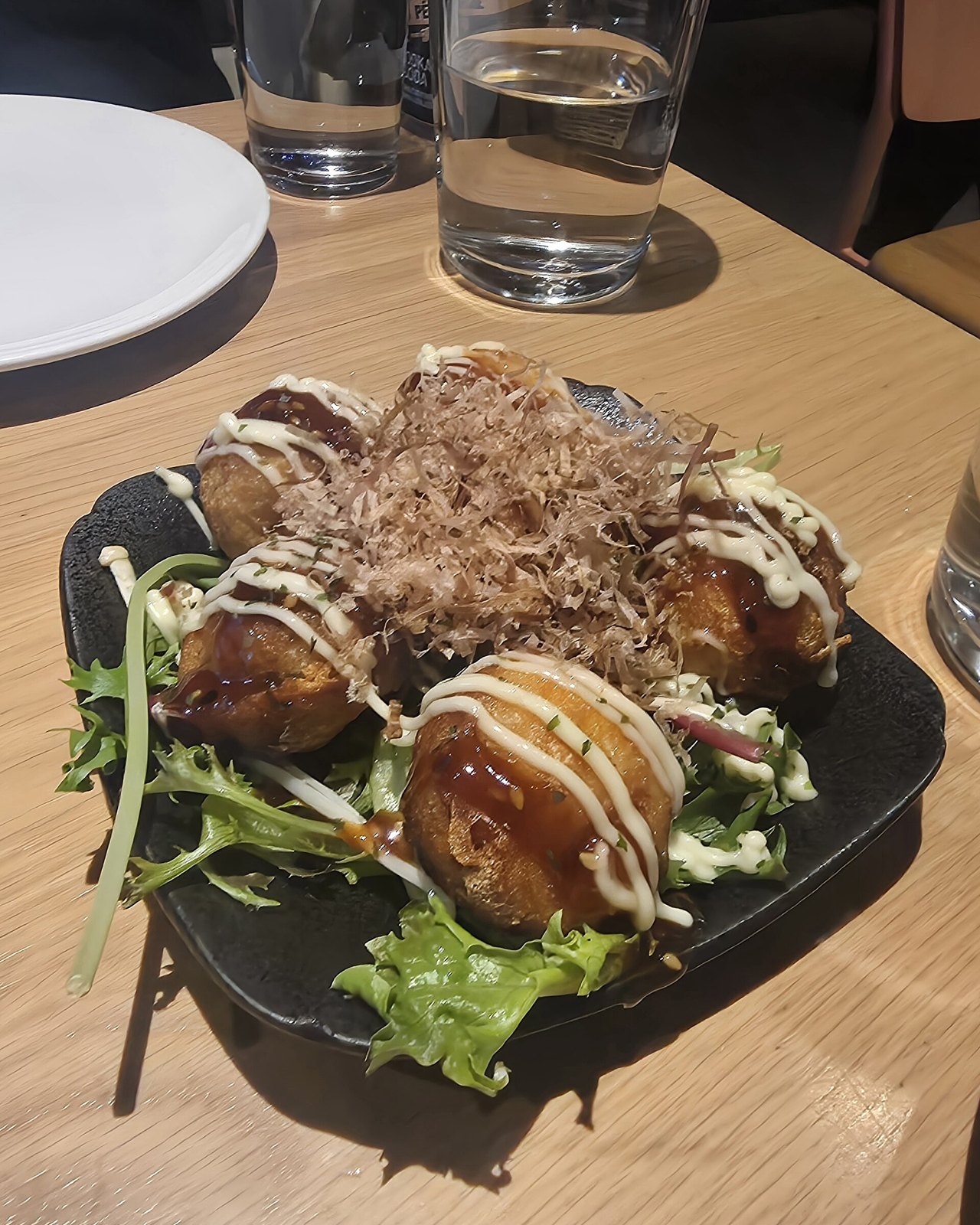
- Topping tier — a plain set with sauce, mayonnaise and bonito flakes sits at the base price; sets with cheese, mentaiko (spiced cod roe) or a larger proportion of octopus cost more per set.
- Takeaway versus eat-in — a paper tray eaten standing is the cheapest format almost everywhere; a seat, a plate and table service add to the price even within the same stall’s range.
This is the same logic that governs ordering at a kushikatsu counter — a format where how the counter actually prices and serves each skewer is also unfamiliar to most first-time visitors, and worth reading before the first order rather than during it.
Getting between the three tiers
Dotonbori, Tenjinbashi-suji and Kuromon Ichiba are not close together, and treating them as a single afternoon’s walk underestimates the distances involved. All three are reachable by Osaka Metro, and understanding which line actually connects them before setting out saves doubling back. None of the three requires a special pass — a standard IC card covers the fare on any of the relevant lines.
What else closes the day
Kuromon Ichiba’s own stated hours, like most of the city’s markets, are affected by the same pattern that closes much of Osaka on a Monday and around the New Year period — worth checking against what typically shuts on a Monday in Osaka before building a food-focused day around any one market. Individual stalls, including long-running takoyaki counters, also keep their own fixed closing day, which is rarely published anywhere except the stall’s own signage.
For more on how the city’s food economy works beyond takoyaki specifically, the Food & Drink section covers related ordering conventions, and further detail on how this site sources and checks what it publishes is set out in the About page.
